
Generic Drugs: What They Are, How They Save Money, and What You Need to Know
When you hear generic drugs, pharmaceutical products that contain the same active ingredients as brand-name medications but are sold without a brand name. Also known as generic medications, they are legally required to work the same way, in the same amount, and with the same safety profile as their branded counterparts. Yet many people still hesitate to use them—wondering if they’re really the same, or if they’re just cheaper because they’re lower quality. The truth? Most generic drugs are identical in effectiveness. The FDA doesn’t approve them unless they match the brand-name version in strength, dosage form, and how your body absorbs them.
What makes a generic drug different isn’t the medicine inside—it’s the packaging, the color, the name, and the price. A pill of generic Depakote, the generic version of the anticonvulsant and mood stabilizer valproic acid works just like the brand name. Same for generic Plavix, the clopidogrel version of the blood thinner originally sold under the brand name. The big difference? Cost. Generic versions often cost 80% less. That’s why millions of people switch—especially when managing long-term conditions like high blood pressure, diabetes, or epilepsy. But not all generics are created equal in practice. Some people report different side effects, or notice changes in how a pill works. That’s often due to inactive ingredients, like fillers or coatings, which can affect how fast the drug dissolves in your stomach. That’s why timing matters: if you take your thyroid medication with coffee or soy, even a generic version might not absorb properly.
There’s also the issue of access. The FDA’s 180-day exclusivity, a rule that gives the first company to challenge a patent a head start in selling a generic drug was designed to speed up competition and lower prices. But it’s been used strategically by some companies to delay other generics from entering the market. That’s why you might see one generic available for months while others are still waiting. And when it comes to splitting or crushing pills to save money, not every generic is safe to alter. Some are designed to release slowly—crush them, and you risk a dangerous overdose. Others are coated to protect your stomach. That’s why knowing what you’re taking matters more than ever.
You’ll find real-world stories here—how people cut costs with pill splitters, why some switch from brand-name metformin to generic and feel better, and how to spot a fake online pharmacy selling fake generics. You’ll also learn what to watch for: tremors from generic tacrolimus, stomach issues with generic metformin XR, or interactions between generic bisphosphonates and calcium. This isn’t about theory. It’s about what actually happens when you take a cheaper pill—and how to make sure it works for you.
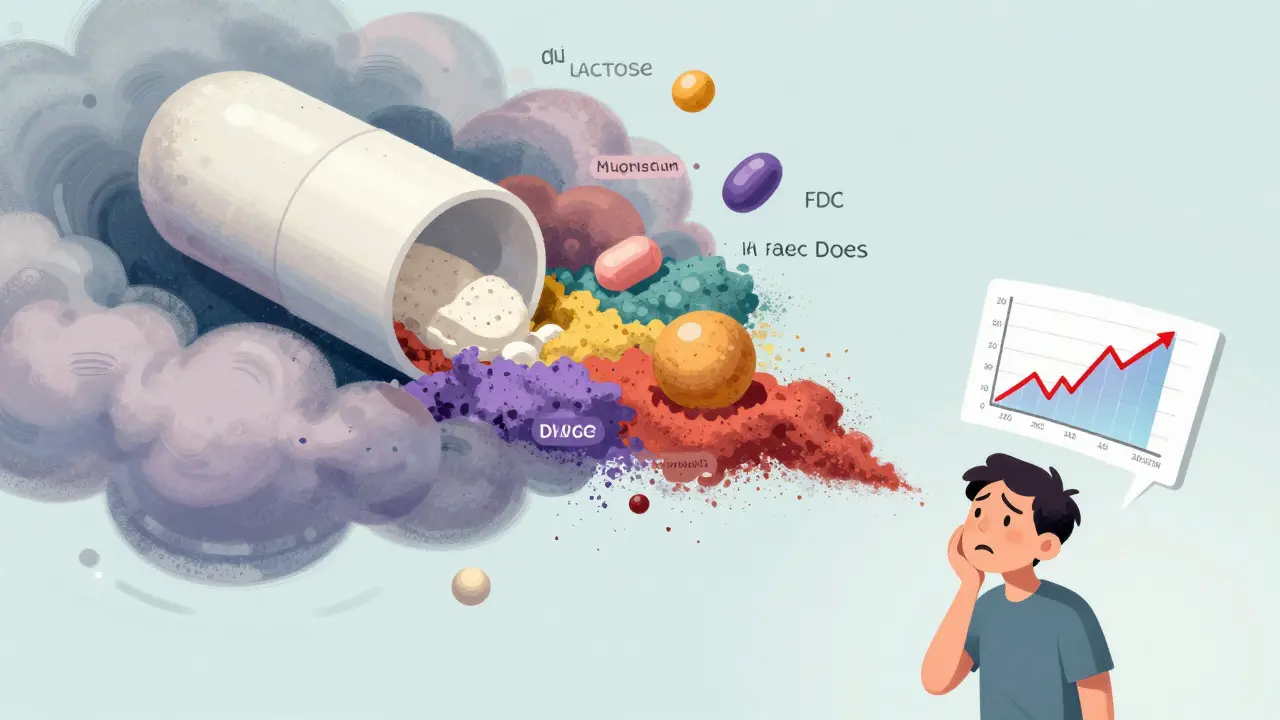
Finding Generic Combinations: When Components Don't Match Brand Formulations
Generic combination drugs save money but can differ in inactive ingredients from brand versions - and for some patients, that leads to serious side effects or loss of effectiveness. Here’s what you need to know.
read more
How Doctors and Pharmacists Around the World View Generic Medications
Doctors and pharmacists around the world view generic medications differently based on healthcare systems, income levels, and drug policies. From Europe’s strict substitution rules to India’s reliance on affordable generics, provider attitudes reflect real-world access and survival.
read more
Economic Impact of Patent Expiration: When Drug Prices Drop
When pharmaceutical patents expire, drug prices typically plummet-sometimes by over 80%. This article explains how generic competition drives down costs, why some drugs stay expensive, and what patients can do to save money.
read more
Medication Adherence During Brand-to-Generic Transitions: Best Practices for Patients and Providers
Switching from brand-name to generic medications saves money but often lowers adherence. Learn why patients stop taking generics-and what providers and patients can do to improve compliance with proven best practices.
read more
Generic vs. Brand Name Drugs: What You Need to Know About Bioequivalence and Cost Savings
Generic drugs save billions annually and are just as effective as brand-name versions. Learn how bioequivalence works, when to be cautious, and why generics are the smart choice for most patients.
read more
Future Role of Authorized Generics: Market Outlook
Authorized generics are becoming a key tool in lowering drug prices after patent expiration. With new FDA policies and declining delays in launches, these products are shifting from market-control tactics to genuine price-lowering tools - benefiting patients and the healthcare system.
read more
Complex Generic Formulations: Why Proving Bioequivalence Is So Hard
Complex generic formulations like inhalers, topical creams, and injectables are hard to copy because traditional bioequivalence tests don't work. Learn why proving they're as safe and effective as brand drugs is one of the biggest hurdles in generic medicine.
read more
Labeling Effect: How Calling a Drug 'Generic' Changes How Patients Feel and Respond
The labeling effect shows that calling a drug 'generic' can make patients feel it's less effective-even when it's chemically identical to the brand-name version. This psychological bias impacts adherence, side effects, and outcomes.
read more
Mail-Order Pharmacy Generic Practices: What You Need to Know About Quality
Mail-order pharmacies dispense 90% generic drugs with strict quality controls. Learn how temperature tracking, packaging, and FDA standards ensure your meds stay safe and effective-no matter how far they travel.
read more