
Hatch-Waxman Act: How It Shapes Generic Drugs and Drug Access
When you pick up a cheaper version of a brand-name pill at the pharmacy, you’re seeing the direct result of the Hatch-Waxman Act, a 1984 U.S. law that created a legal pathway for generic drugs to enter the market without repeating costly clinical trials. Also known as the Drug Price Competition and Patent Term Restoration Act, it’s the reason millions save hundreds a year on prescriptions.
This law didn’t just make generics legal—it built a system that lets drug companies protect their original inventions while giving others a clear way to copy them after patents expire. Before Hatch-Waxman, generic makers had to prove every drug worked from scratch. Now, they only need to show their version is absorbed the same way in the body. That shortcut cuts development time from years to months and slashes prices by 80% or more. But it’s not just about cost. The Act also lets brand-name companies extend their patent life by up to five years to make up for time lost during FDA review. That balance keeps innovation alive while opening the door to competition.
The impact shows up everywhere. If you take metformin, lisinopril, or even generic Depakote, you’re using a drug made possible by this law. It’s why pills can be split safely in some cases—because generics are chemically identical. It’s why drug interactions like allopurinol and azathioprine are tracked so closely: when generics flood the market, doctors see more patients on the same meds, making side effects easier to spot. Even online pharmacies selling cheap Plavix or Paxil rely on this framework to operate legally. Without Hatch-Waxman, many of the medications you rely on wouldn’t exist in affordable form.
What you’ll find below are real-world stories about how this law touches daily life: from how generic versions of ADHD meds affect teens’ growth, to why splitting a pill might be safe with one drug but deadly with another. These aren’t abstract rules—they’re the reason you can afford your treatment. Whether you’re managing gout, thyroid levels, or a transplant, the Hatch-Waxman Act is quietly working behind the scenes to keep your meds within reach.
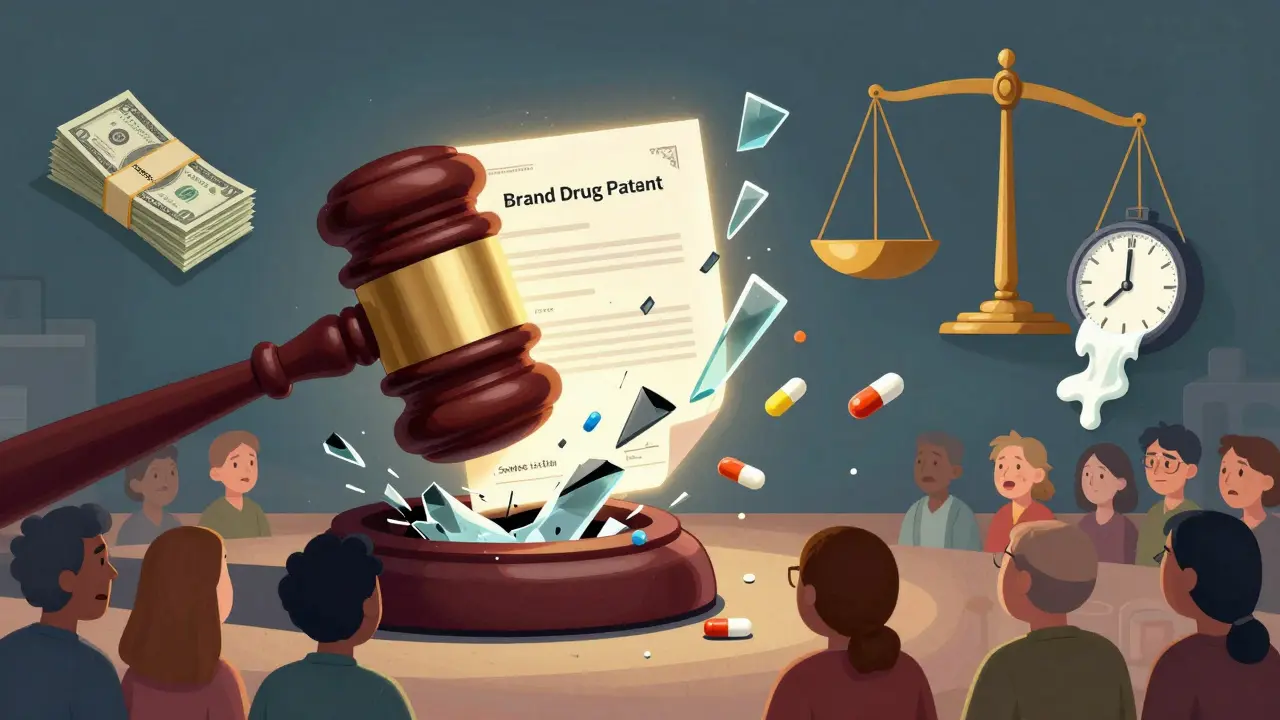
Paragraph IV Patent Challenges: How Generic Drug Makers Beat Brand Patents
Paragraph IV patent challenges let generic drug makers legally fight brand patents before they expire. This Hatch-Waxman Act tool speeds up affordable drug access and has saved U.S. consumers over $1.2 trillion since 1990.
read more
Litigation in Generic Markets: How Patent Disputes Delay Affordable Medicines
Patent disputes in the generic drug market delay affordable medicines, costing billions annually. Learn how the Hatch-Waxman Act, Orange Book listings, and serial litigation block competition-and what’s being done to fix it.
read more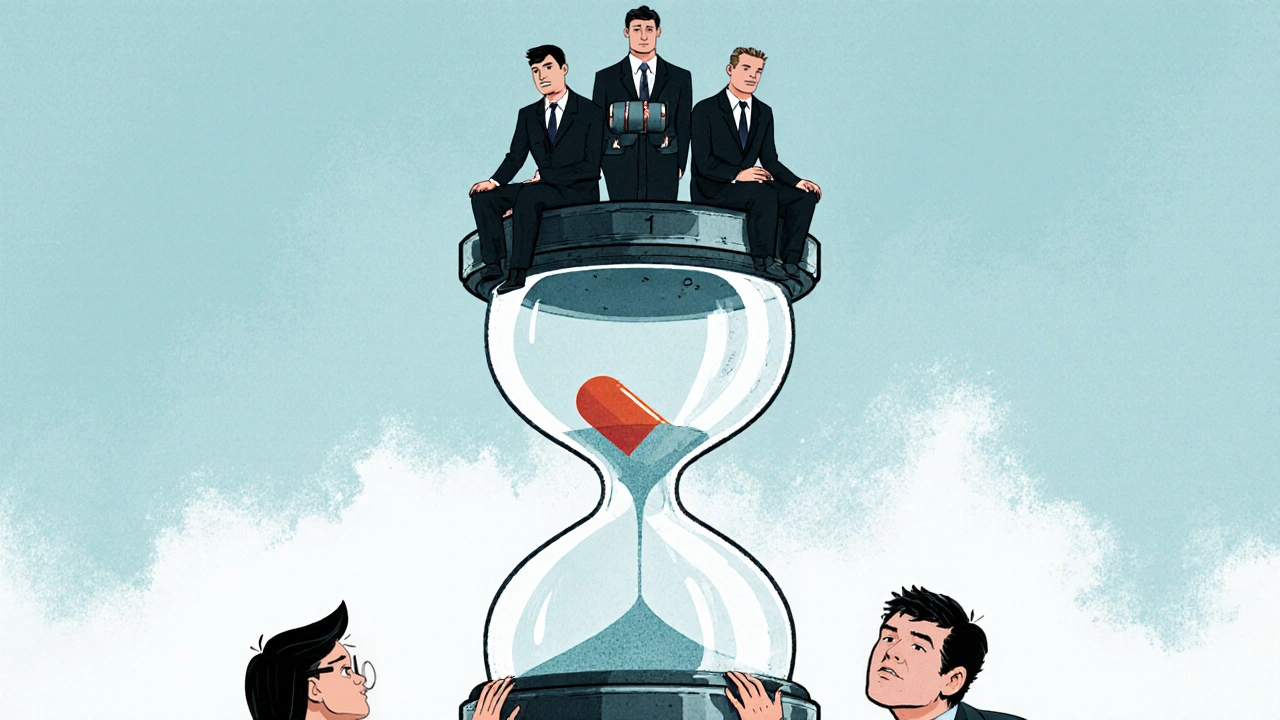
FDA's 180-Day Exclusivity: How It Helps First Generic Drug Applicants Cut Costs and Speed Up Access
The FDA's 180-day exclusivity gives the first generic drug maker to challenge a patent a head start on the market. But how does it really work-and why is it being changed? Learn how this rule shapes drug prices and access.
read more