
Medication Safety and Side Effects in November 2025: What You Need to Know
When it comes to your health, medication safety, the practice of using drugs correctly to avoid harm while getting the intended benefit. Also known as drug safety, it’s not just about taking the right pill—it’s about knowing how, when, and why it works—or doesn’t. In November 2025, our most-read articles focused on real, everyday risks people face: confusing prescription labels, unexpected reactions to generics, and how timing can make or break your treatment. These aren’t edge cases. They’re daily problems for millions.
Generic drugs, lower-cost versions of brand-name medications that must meet the same FDA standards for active ingredients. Also known as brand equivalents, they save billions each year—but they’re not always identical in how your body reacts. Why? Inactive ingredients like fillers or coatings can trigger side effects in sensitive people. One article showed how switching to a generic thyroid med caused panic attacks in someone who never had them before. Another revealed that mail-order pharmacies, which dispense 90% generics, follow strict temperature and packaging rules to keep meds stable—even across oceans. And then there’s pill splitting, the practice of cutting tablets to reduce costs or adjust doses. Also known as tablet splitting, it can be safe—if you know which pills can be split and which will dump their full dose if crushed. Crushing extended-release opioids or bisphosphonates? That’s dangerous. Splitting a metformin tablet? Often fine. But you need to know the difference.
Timing matters more than most people realize. medication timing, the precise schedule for taking drugs to maximize effectiveness and avoid interactions. Also known as dosing schedule, it’s the silent hero behind successful treatment. Take soy with levothyroxine? It blocks absorption. Take calcium with a bisphosphonate? The two cancel each other out. Even sleep meds can wreck your rest if you don’t fix your sleep hygiene first. These aren’t myths. They’re proven science, backed by patient reports and clinical data.
And then there are the side effects no one warns you about. Hiccups from steroids. Tremors from transplant drugs. Insomnia from beta blockers. These aren’t rare—they’re common, and they’re treatable. You don’t have to suffer through them. The articles this month gave you clear steps: what to watch for, when to call your doctor, and what alternatives actually work—like baclofen for drug-induced hiccups or non-opioid pain relief that doesn’t risk addiction.
What you’ll find below isn’t a random list of articles. It’s a practical guide to avoiding the hidden traps in modern drug use. Whether you’re managing diabetes with metformin, treating gout with colchicine, or just trying to read your prescription label without panic—this collection gives you the facts you need to stay safe. No fluff. No jargon. Just what works, what doesn’t, and how to protect yourself.
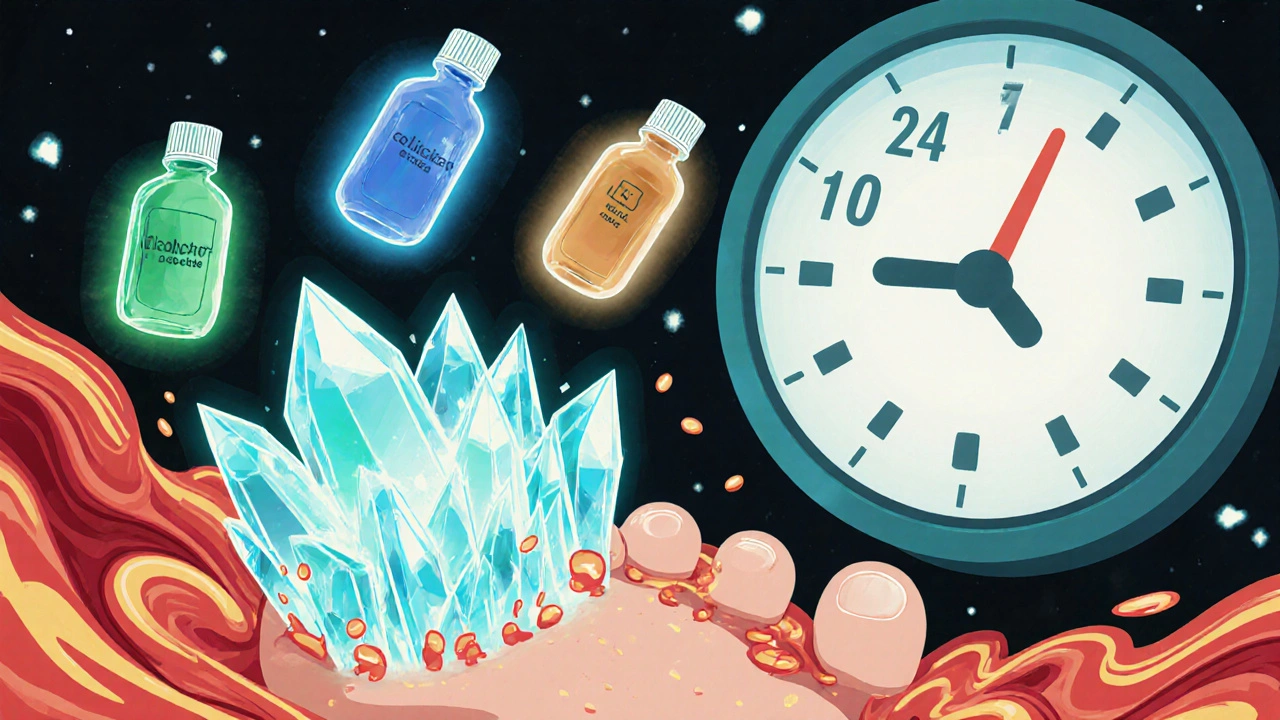
Gout Flares: Colchicine, NSAIDs, and Steroids Compared
Learn how colchicine, NSAIDs, and steroids compare for treating acute gout flares. Find out which option is safest for your health, when to use each, and why timing matters more than the drug you choose.
read more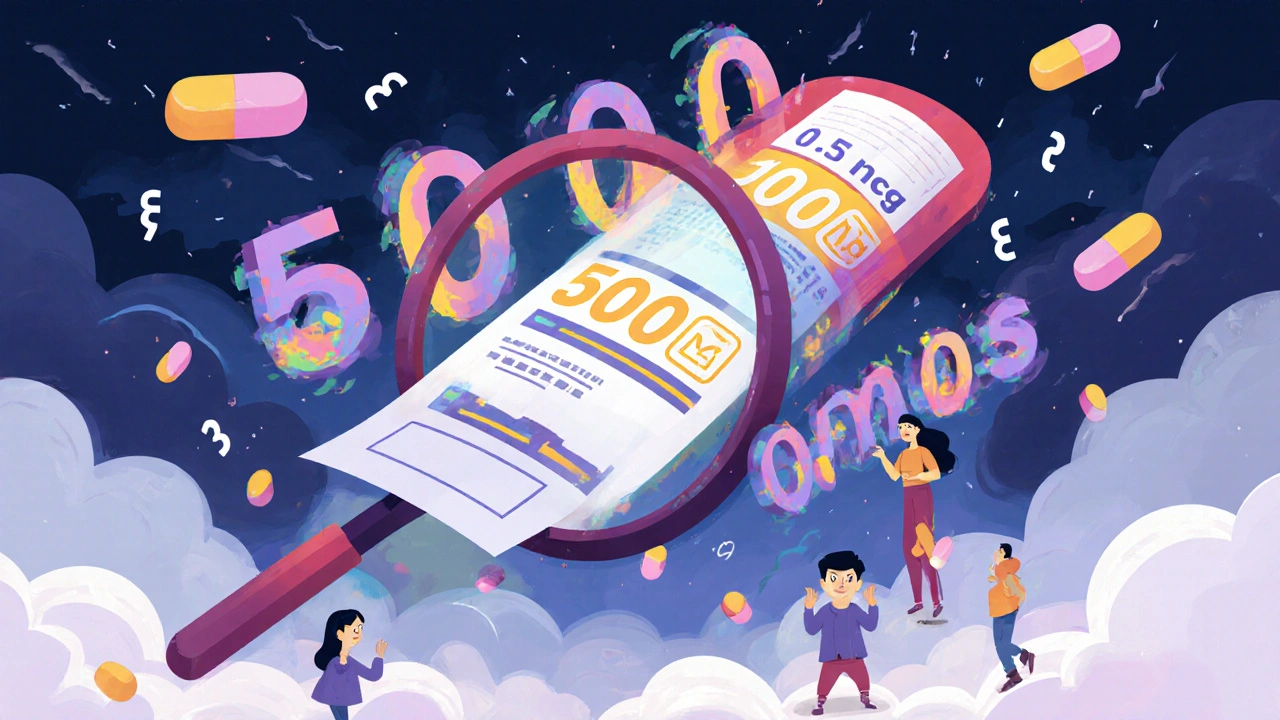
How to Check Medication Strength and Quantity on Prescription Labels
Learn how to read medication strength and quantity on prescription labels to avoid dangerous dosing errors. Simple steps to check your meds safely every time.
read more
Hiccups Triggered by Medications: Common Causes and Proven Remedies
Medication-induced hiccups are more common than you think, especially with steroids, opioids, and chemo drugs. Learn the top triggers, proven home remedies, and effective treatments like baclofen and chlorpromazine.
read more
Non-Opioid Pain Management: Proven Alternatives That Actually Work
Discover proven, science-backed alternatives to opioids for managing chronic and acute pain safely. From physical therapy to new FDA-approved drugs, learn what actually works without the risk of addiction.
read more
Contact Allergens: How Patch Testing Identifies Skin Irritants and Allergens
Patch testing is the gold standard for identifying hidden skin allergens like nickel, fragrances, and preservatives. Learn how it works, what it detects, and how to avoid triggers that cause chronic rashes.
read more
Hemorrhoids: Internal vs. External and What Actually Works for Treatment
Learn the difference between internal and external hemorrhoids, what causes them, and proven treatment options - from home care to surgery. Stop guessing and start managing your symptoms effectively.
read more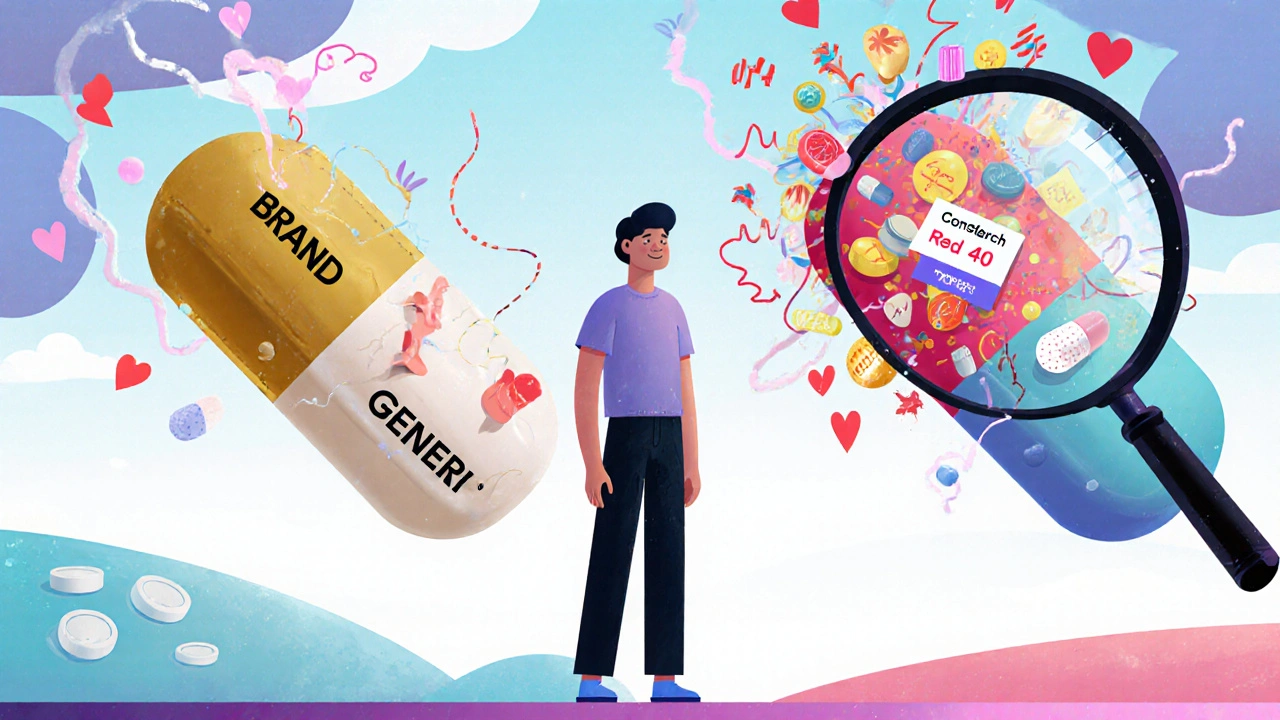
Unexpected Side Effects from Generic Medications: When to Seek Help
Generic medications are usually safe, but unexpected side effects can happen due to differences in inactive ingredients. Learn which drugs carry the highest risk and when to seek medical help after a switch.
read more
Mail-Order Pharmacy Generic Practices: What You Need to Know About Quality
Mail-order pharmacies dispense 90% generic drugs with strict quality controls. Learn how temperature tracking, packaging, and FDA standards ensure your meds stay safe and effective-no matter how far they travel.
read more
Soy Products and Thyroid Medication: How to Take Levothyroxine Without Interference
Learn how to safely eat soy products while taking thyroid medication like levothyroxine. Discover the best timing rules, what foods to avoid, and how to keep your TSH levels stable without giving up soy.
read more
How to Split Pills Safely to Reduce Medication Costs
Learn how to safely split pills to cut medication costs without risking your health. Discover which pills can be split, the right tools to use, and safer alternatives to save money.
read more