
Unexpected Drug Reactions: What They Are, Why They Happen, and How to Stay Safe
When you take a medication, you expect it to help—not hurt. But unexpected drug reactions, unintended and sometimes dangerous responses to medications that aren’t listed as common side effects. Also known as adverse drug reactions, these can range from a mild rash to sudden organ failure—even if you’ve taken the same drug for years. These aren’t just rare accidents. They happen more often than most people realize, and often because of hidden interactions, genetic differences, or unnoticed changes in your body.
One big reason these reactions catch people off guard is drug interactions, when two or more medications mix in ways that change how each one works in your body. For example, taking allopurinol for gout with azathioprine for autoimmune disease can crash your bone marrow—something your doctor might not flag unless they know your full list. Or maybe you’re sipping coffee right after your thyroid pill, blocking absorption and making your dose useless. These aren’t mistakes you made—they’re gaps in how medicine is usually explained.
medication side effects, expected, known reactions that come with a drug are listed on the label. But unexpected drug reactions? They’re the ones that sneak in. Maybe it’s a new supplement you started, a change in your liver function, or even a food like soy that quietly interferes with your levothyroxine. Even something as simple as splitting a pill you’ve never split before can cause dose dumping in extended-release meds. And if you’re on immunosuppressants like tacrolimus, a tremor or headache might not just be stress—it could be early neurotoxicity, even with normal blood levels.
These aren’t theoretical risks. Real people get hurt because no one told them that Fucidin cream might not be the best choice for their skin infection, or that crushing a tablet could release a dangerous rush of medicine. Others don’t realize their blood pressure combo, Lisinopril-HCTZ, could trigger gout, or that their ADHD meds might be slowing their teen’s growth. The system doesn’t always warn you. You have to know what to look for.
That’s why this collection exists. You’ll find clear, no-fluff guides on how to spot red flags before they become emergencies. We cover what to do when your sleep gets wrecked by antidepressants, why calcium supplements can cancel out your osteoporosis drug, and how to avoid deadly combos like azathioprine and allopurinol. You’ll learn how patch testing finds hidden skin allergens, why timing your coffee matters more than you think, and what to do when a drug that worked for years suddenly stops working—or starts hurting you.
There’s no magic trick to avoiding every unexpected reaction. But knowing what questions to ask, what to track, and what to never ignore? That changes everything. The articles below give you the tools to take control—before the next reaction catches you off guard.
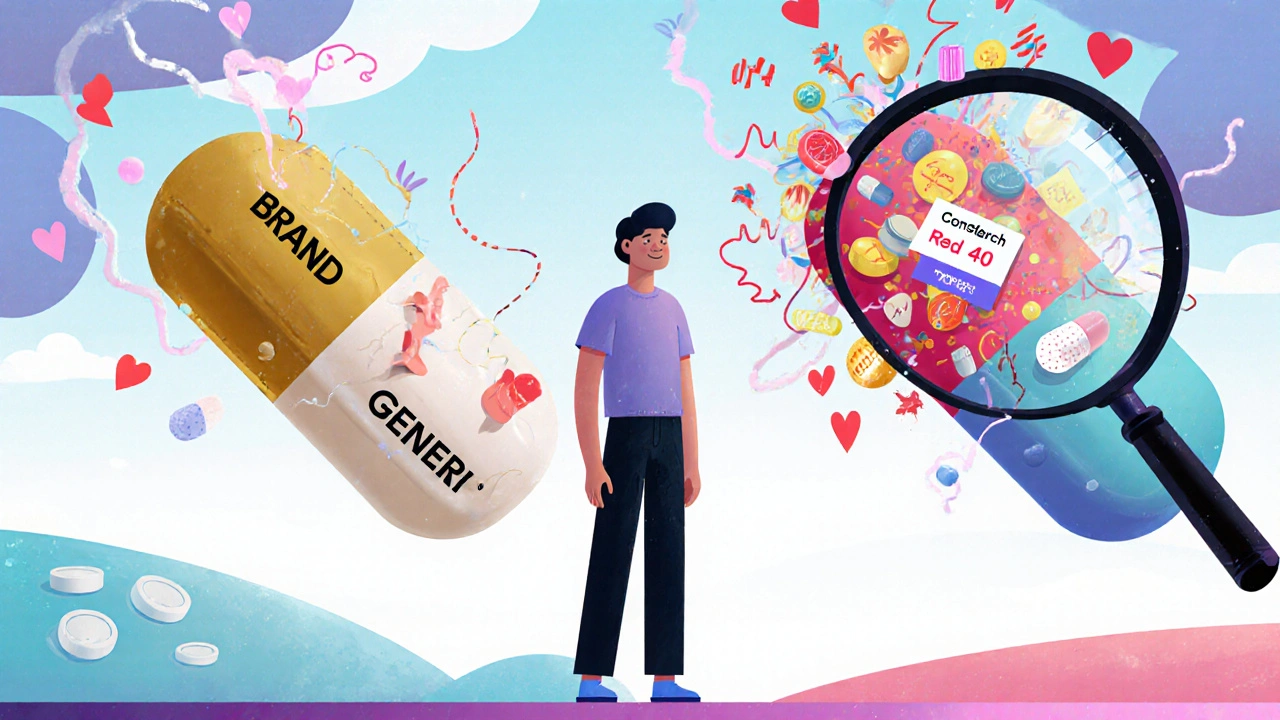
Unexpected Side Effects from Generic Medications: When to Seek Help
Generic medications are usually safe, but unexpected side effects can happen due to differences in inactive ingredients. Learn which drugs carry the highest risk and when to seek medical help after a switch.
read more