
Stimulant Side Effects: What You Need to Know Before Taking Them
When you take a stimulant, a type of drug that increases alertness, energy, and attention by boosting certain brain chemicals. Also known as central nervous system stimulants, they’re commonly prescribed for ADHD, narcolepsy, and sometimes depression—but they don’t come without risks. Many people assume these meds are safe because they’re legal and widely used, but even at prescribed doses, stimulant side effects can sneak up on you. Things like trouble sleeping, dry mouth, or a racing heartbeat aren’t just annoyances—they’re signs your body is reacting to the drug’s impact on your nervous system.
Not everyone feels the same way. Some people get anxious or jittery after one pill. Others develop high blood pressure, chest pain, or even hallucinations. ADHD meds side effects, a common category of stimulant reactions seen in children and adults taking medications like Adderall or Ritalin, often include appetite loss and weight drop, which can be dangerous over time. And if you’ve ever tried to quit cold turkey, you might’ve felt crash-like fatigue, depression, or intense cravings—that’s stimulant withdrawal, the body’s adjustment period after stopping regular use. It’s not just "feeling down." It’s your brain struggling to produce dopamine without the drug’s help.
Then there’s the bigger risk: stimulant overdose, a life-threatening surge in heart rate, temperature, and blood pressure that can lead to seizure, stroke, or cardiac arrest. It’s rare with prescriptions but more common when people crush pills, mix them with alcohol, or take them recreationally. Even people who follow their doctor’s orders aren’t immune—especially if they have heart conditions, high blood pressure, or a family history of sudden cardiac events.
The posts here don’t just list side effects—they show you real cases. Like how clonidine is sometimes used to calm stimulant-induced anxiety, or how lurasidone and aripiprazole are being studied for their role in managing stimulant-related mood swings. You’ll find stories about people who thought their headaches or tremors were normal, only to learn they were linked to their medication’s blood levels. Others discovered that skipping meals or drinking coffee with their stimulant made side effects worse. These aren’t theoretical warnings. They’re lived experiences.
There’s no one-size-fits-all answer. What’s a mild side effect for one person could be a red flag for another. But knowing what to watch for—whether it’s insomnia, irritability, or a pounding chest—gives you power. You can talk to your doctor with specifics. You can track patterns. You can decide if the benefits still outweigh the costs. The articles below give you those tools. No fluff. Just facts from people who’ve been there, and the science that explains why it happens.
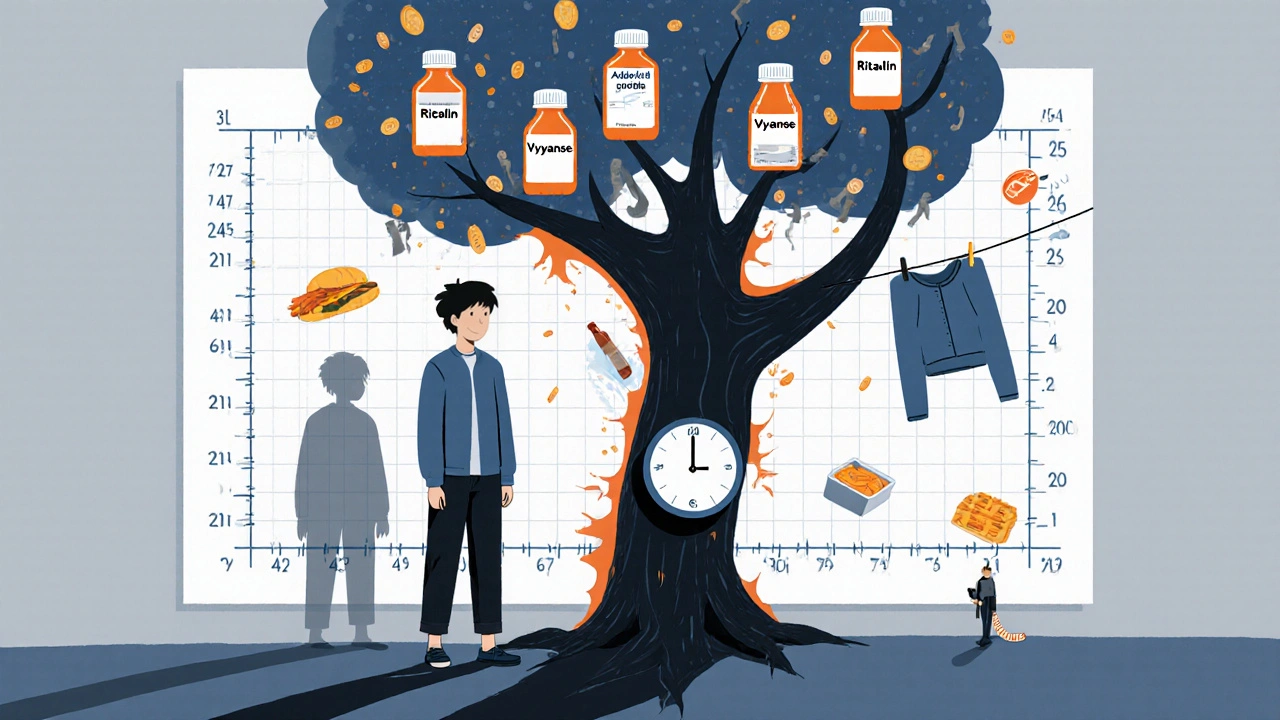
ADHD Medications in Teens: Tracking Growth, Appetite, and Side Effects
ADHD medications help teens focus but can affect growth and appetite. Learn how to monitor side effects, manage nutrition, and make informed treatment decisions with evidence-based strategies.
read more