
Pregnancy Medication Safety: What’s Safe and What to Avoid
When you’re pregnant, every pill, supplement, or over-the-counter remedy carries a new kind of weight. Pregnancy medication safety, the practice of choosing drugs that won’t harm the developing fetus while still managing the mother’s health. Also known as prenatal drug safety, it’s not just about avoiding the obvious dangers—it’s about understanding hidden risks, timing, and how even common meds can affect fetal development. This isn’t about fear. It’s about clarity. Millions of pregnant people take some form of medication, from prenatal vitamins to antidepressants, and most do so safely. But confusion is common. Is that headache pill okay? What about the heartburn medicine you’ve used for years? The answer isn’t always yes or no—it depends on the drug, the trimester, and your health history.
One key related concept is fetal drug exposure, the amount and timing of a medication that reaches the developing baby through the placenta. Some drugs cross the placenta easily and can interfere with organ formation in the first trimester. Others may affect growth or brain development later on. Then there’s medication risks during pregnancy, the potential for harm ranging from minor side effects to serious birth defects. Not every risk is obvious. For example, some antibiotics, anti-seizure drugs, or even certain acne treatments are known to be dangerous, while others like acetaminophen are generally considered safe when used correctly. But even safe meds can become risky if taken in high doses or combined with other drugs.
What you’ll find here isn’t a list of banned drugs. It’s a practical guide built from real cases and research. You’ll see how inactive ingredients in generics can trigger unexpected reactions, how timing affects absorption (like coffee interfering with thyroid meds), and why switching to a generic version might change how your body responds. We cover what’s known, what’s uncertain, and how to talk to your doctor without feeling rushed or dismissed. You’ll learn how to read labels, spot red flags, and ask the right questions—not just about what to take, but what to avoid, when to pause, and when to switch.
There’s no one-size-fits-all answer in pregnancy medication safety. But with the right info, you can make choices that protect both you and your baby. The posts below give you the facts—not the noise—so you can move forward with confidence.
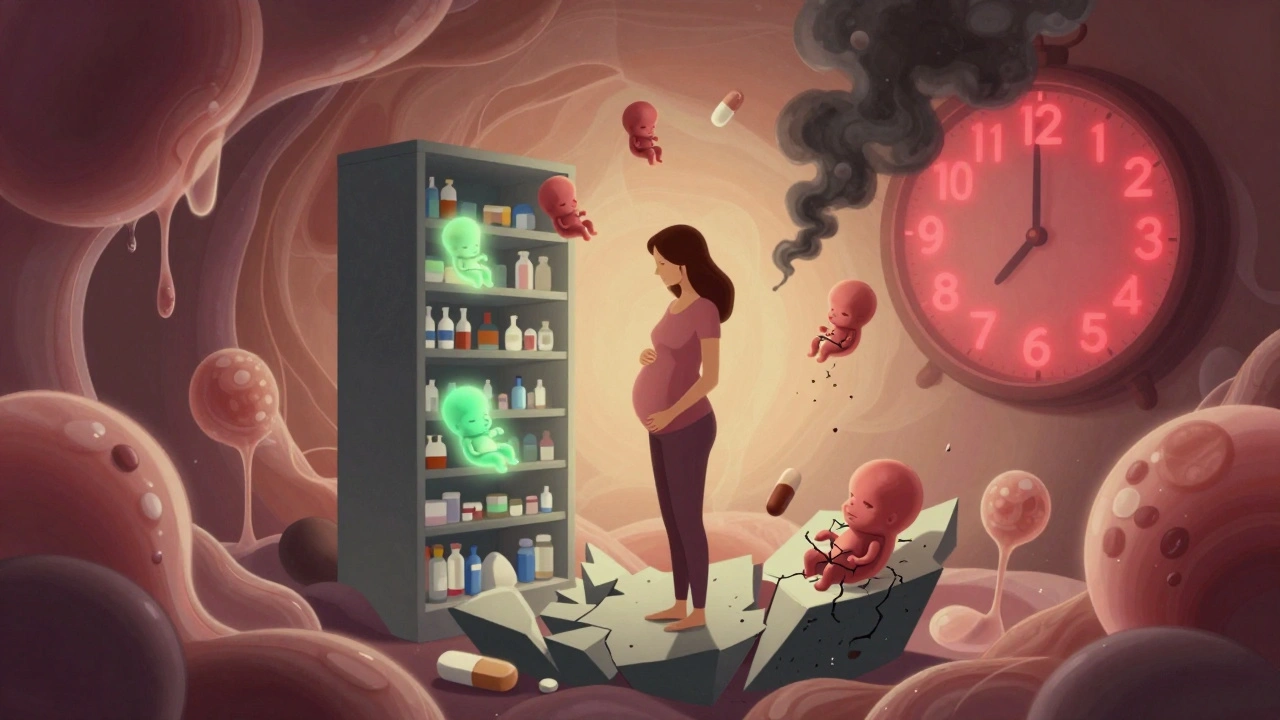
Pregnancy and Medications: What You Need to Know About Teratogenic Risks and Birth Defects
Learn which medications can cause birth defects during pregnancy, when risks are highest, and how to make safe choices. Get clear, evidence-based guidance on teratogens, acetaminophen, and what to do if you took medicine before knowing you were pregnant.
read more