
Generic Drug Market: What You Need to Know About Affordable Medications
When you hear generic drug market, the global system of non-brand pharmaceuticals that offer the same active ingredients as name-brand drugs at lower prices. Also known as off-patent medications, it's what keeps millions of people on their prescriptions without breaking the bank. This isn’t just about saving money—it’s about access. Over 90% of prescriptions in the U.S. are filled with generics, and the numbers are rising everywhere else too. But behind that simple label is a complex world of manufacturers, quality checks, and hidden risks.
The brand name drugs, originally developed by pharmaceutical companies with patents and marketing behind them. Also known as originator drugs, they’re the expensive versions that generics copy cost more because of R&D, advertising, and patent protection. Once the patent expires, other companies can legally make the same drug. That’s where the cheap generic medications, pharmaceutical products identical in dosage, safety, strength, and route of administration to brand-name versions, but sold at a fraction of the cost. Also known as off-patent drugs, they’re the backbone of the global drug supply come in. But here’s the catch: not all generics are made equal. Some are produced in facilities with poor oversight. Others use different inactive ingredients that can trigger reactions in sensitive people. And buying online? That’s a minefield. You’ve seen posts here about buying generic Depakote, Plavix, Paxil, and Clomid online—some of those deals are legit, others are dangerous. The FDA and other global regulators approve most generics, but the rules vary by country. A pill sold as generic in India might not meet U.S. standards.
And then there’s drug pricing, the cost structure that determines how much patients pay for medications, shaped by patents, competition, and supply chains. Also known as pharmaceutical costs, it’s the reason some generics still cost hundreds of dollars. Even after patents expire, prices don’t always drop as much as you’d expect. Why? Because sometimes only one or two companies make the generic, and they can keep prices high. Other times, the raw ingredients come from just one country, and a supply glitch sends prices soaring. That’s why knowing where your meds come from matters. You might save $50 a month on a generic, but if it causes stomach issues or doesn’t work as well, you’re losing more than you save.
That’s why the posts here focus on real-world issues: splitting pills safely, avoiding absorption problems with bisphosphonates and calcium, spotting dangerous interactions like allopurinol and azathioprine, or knowing when coffee ruins your thyroid med. These aren’t just tips—they’re survival skills in the generic drug market. You’re not just buying a pill—you’re navigating a system where quality, timing, and source can make the difference between healing and harm.
Below, you’ll find real stories from people who’ve been there: how they found safe online sources, what went wrong when they cut corners, and how they learned to ask the right questions before taking any pill. Whether you’re managing diabetes, high blood pressure, epilepsy, or mental health, this collection gives you the tools to make smarter choices—not just cheaper ones.
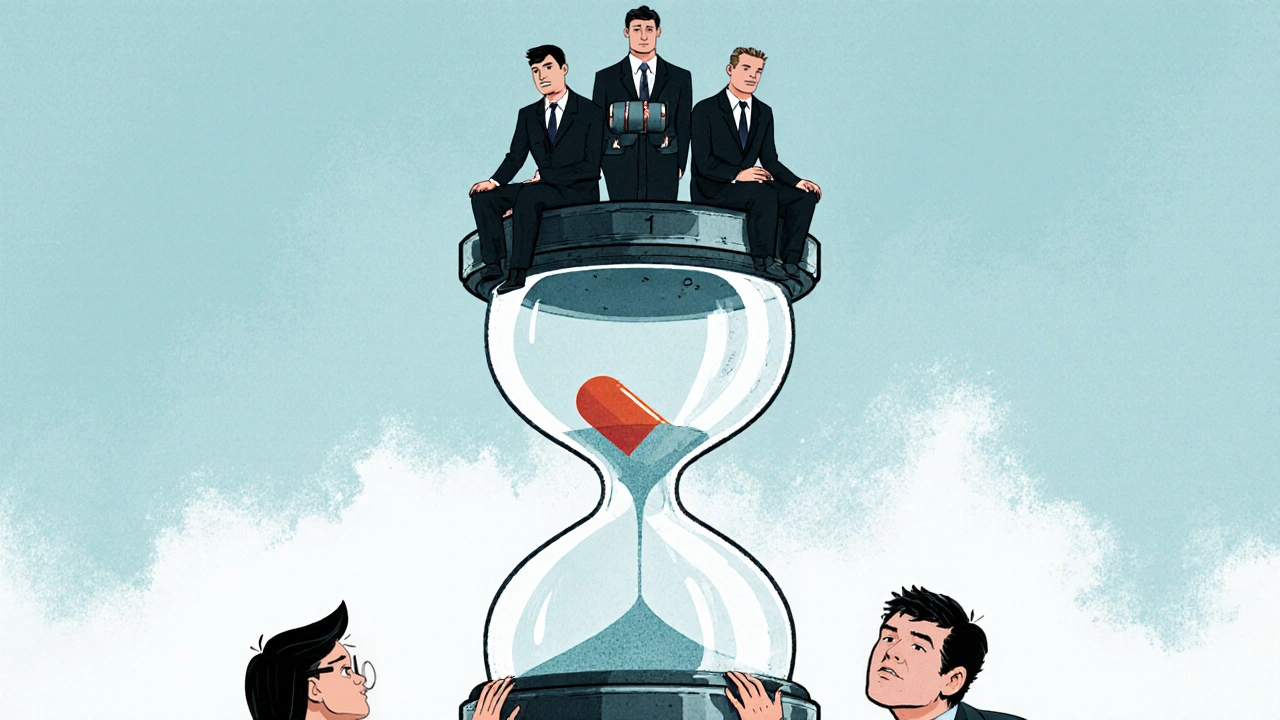
FDA's 180-Day Exclusivity: How It Helps First Generic Drug Applicants Cut Costs and Speed Up Access
The FDA's 180-day exclusivity gives the first generic drug maker to challenge a patent a head start on the market. But how does it really work-and why is it being changed? Learn how this rule shapes drug prices and access.
read more