
FDA 180-Day Exclusivity: What It Means for Generic Drugs and Your Access to Affordable Medicines
When a FDA 180-day exclusivity, a temporary market advantage granted to the first generic drug manufacturer that successfully challenges a brand-name drug’s patent. Also known as generic exclusivity period, it’s a key part of the Hatch-Waxman Act designed to balance innovation and affordability. This rule lets one generic company sell its version of a drug alone for 180 days after approval—no other generics allowed. That’s meant to reward the effort and risk of taking on a patent lawsuit. But here’s the catch: it doesn’t always mean lower prices for you right away.
The real impact shows up in how generic manufacturers, companies that produce cheaper versions of brand-name drugs after patents expire. Also known as generic drug makers, they play the long game. Some wait until the patent is about to expire, then file a challenge just to lock in that 180-day window. Others team up with the brand company to delay entry—something called "pay-for-delay"—which keeps prices high. Meanwhile, patients waiting for cheaper options might not see relief for months, or even years. This isn’t just a legal loophole; it’s a system that affects whether you can afford your metformin, your lisinopril-HCTZ, or your generic Depakote.
It’s also tied to how drug patents, legal protections that give brand-name companies exclusive rights to sell a drug for a set time. Also known as pharmaceutical patents, they work. Some patents are broad, covering the drug itself. Others are narrow, like ones on a specific pill shape, delivery method, or use for a new condition. Generic makers often target these narrow patents because they’re easier to challenge. That’s why you’ll see generic versions of ADHD meds or antivirals pop up after a lawsuit—even if the main patent is still active. The FDA doesn’t always stop this, because the law lets them approve generics as long as the challenge is legitimate.
And then there’s the Hatch-Waxman Act, a 1984 U.S. law that created the modern pathway for generic drugs while protecting brand-name innovation. Also known as Drug Price Competition and Patent Term Restoration Act, it set up the whole system. Without it, generics might take 10 years to get approved. With it, they can enter the market in under two. But the 180-day exclusivity clause was meant to be the incentive, not the barrier. Too often, it’s become the latter. When one company holds exclusivity, others can’t enter—even if they’re ready. That’s why you might see one generic version of a drug available, but not others, even years after the brand patent expired.
What does this mean for you? Sometimes, you’ll get lucky—prices drop fast after that 180 days. Other times, you’re stuck paying more because no one else got permission to compete. It’s not about the drug itself—it’s about who got to the finish line first in a legal race. The posts below dive into real-world examples: how pill splitting affects dosing when only one generic is available, why certain antibiotics like azithromycin or fusidic acid have delayed generic options, and how drug interactions like allopurinol and azathioprine can still be risky even when generics are out. You’ll see how this rule plays out in your medicine cabinet, not just in courtrooms.
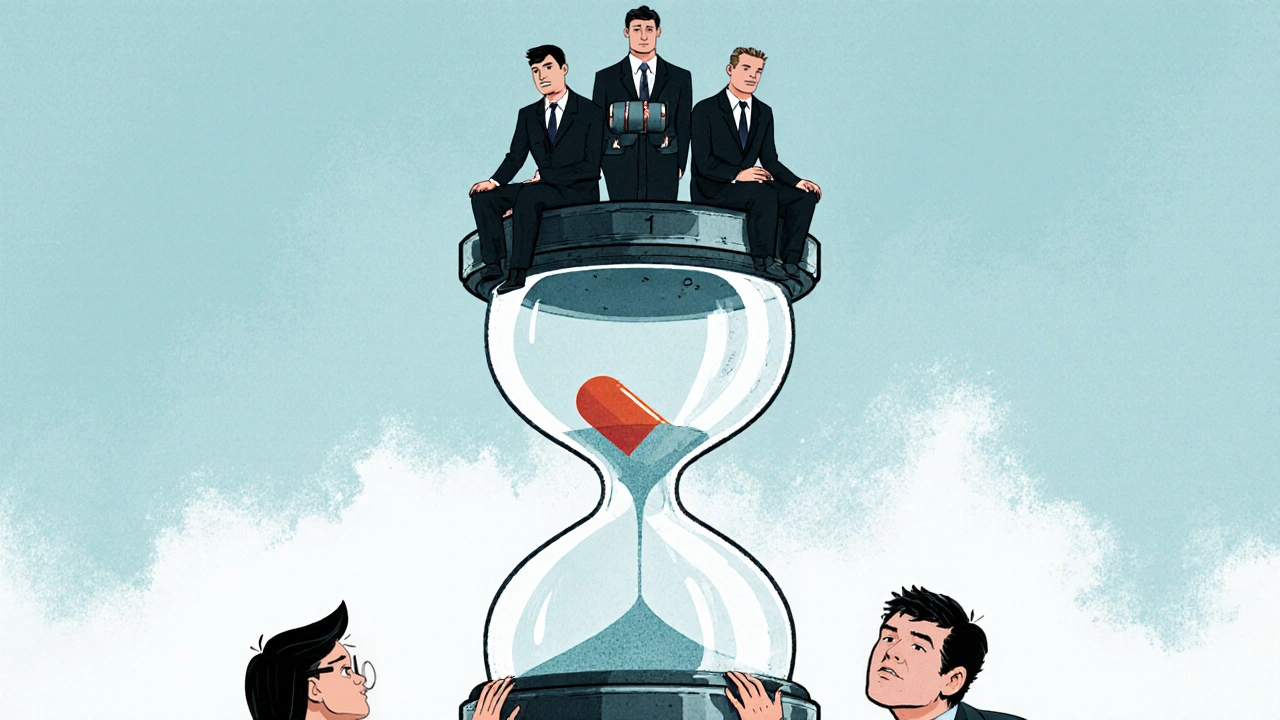
FDA's 180-Day Exclusivity: How It Helps First Generic Drug Applicants Cut Costs and Speed Up Access
The FDA's 180-day exclusivity gives the first generic drug maker to challenge a patent a head start on the market. But how does it really work-and why is it being changed? Learn how this rule shapes drug prices and access.
read more