
Drug Perception: How Beliefs Shape Medication Use and Safety
When you hear the word drug perception, how people think and feel about medications based on their experiences, culture, or misinformation. Also known as medication beliefs, it shapes whether you take your pills, skip doses, or refuse generics altogether. It’s not just about the science—it’s about what you think the drug does, where it came from, and who told you it’s safe. A pill labeled "generic" might feel less effective even if it’s chemically identical to the brand name. That’s drug perception in action.
Drug perception directly affects drug safety, how people handle medications without harm, including avoiding interactions, splitting pills, or recognizing unexpected side effects. If you believe all generics are risky, you might pay more for brand names—even when mail-order pharmacies follow strict FDA standards to ensure quality. Or if you think coffee doesn’t interfere with thyroid meds, you might take them together and wonder why your TSH levels stay high. These aren’t just habits—they’re beliefs that change outcomes. Studies show people report more side effects when they’re told a drug has common ones, even if they’re taking a placebo. That’s the power of perception.
Generic drug trust, the level of confidence patients have in lower-cost versions of brand-name medications. is a big part of this. Many people worry that generics are "weaker" or made with cheaper ingredients. But the truth? The active drug is the same. The differences are in fillers, coatings, or dyes—things that rarely cause problems unless you’re allergic. Still, unexpected reactions after switching to a generic? That’s often not the drug itself—it’s your brain expecting trouble. And that expectation can trigger real symptoms, like hiccups from steroids or stomach upset from metformin, even when the dose hasn’t changed.
Drug perception also ties into how you see side effects. If you think all blood pressure meds cause fatigue, you might blame your pills when you’re just tired from stress. But if you know lisinopril-HCTZ can raise uric acid and trigger gout, you’ll watch for swelling in your toes—not just shrug it off. Same with tacrolimus: if you’re told tremors are common after transplants, you’ll report them early instead of waiting until they’re unbearable. Perception doesn’t just color your experience—it changes what you notice, when you act, and whether you call your doctor.
These beliefs aren’t random. They come from ads, stories from friends, YouTube videos, or even how a pharmacist hands you the bottle. That’s why understanding drug perception matters. It’s not about changing minds—it’s about giving you the facts so your choices are based on evidence, not fear. Below, you’ll find real stories and science-backed guides on how to spot misleading beliefs, avoid dangerous mistakes, and take your meds with confidence—no guesswork needed.
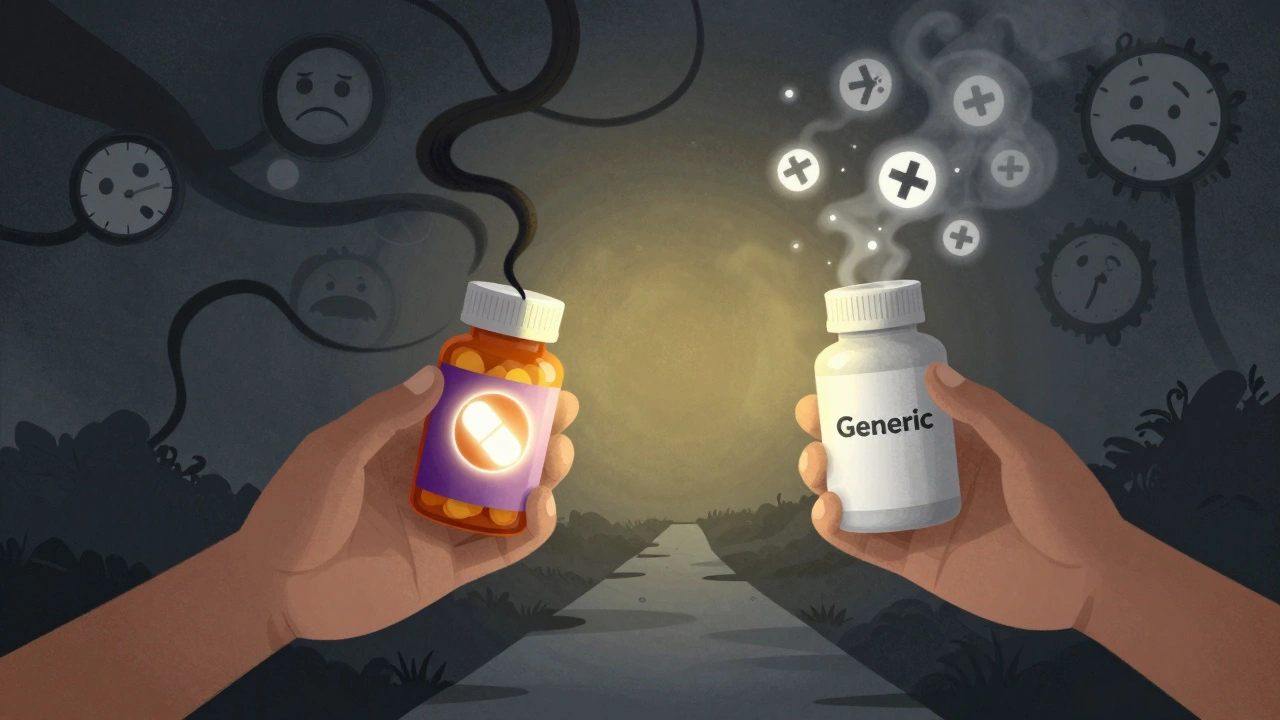
Labeling Effect: How Calling a Drug 'Generic' Changes How Patients Feel and Respond
The labeling effect shows that calling a drug 'generic' can make patients feel it's less effective-even when it's chemically identical to the brand-name version. This psychological bias impacts adherence, side effects, and outcomes.
read more