
Beers Criteria Sleep Drugs: What You Need to Know About Risky Medications for Seniors
When it comes to sleep problems in older adults, many doctors still prescribe medications that Beers Criteria, a widely used list of potentially inappropriate medications for adults 65 and older, developed by the American Geriatrics Society. Also known as AGS Beers Criteria, it’s updated every few years based on new evidence—and sleep drugs top the list of dangerous choices. These aren’t just side effects you can shrug off. They’re falls, confusion, memory loss, and even hospitalizations hiding in plain sight.
Sleep drugs, medications prescribed to help older adults fall or stay asleep, often include benzodiazepines, non-benzodiazepine hypnotics, and antihistamines like diphenhydramine are flagged because they don’t work well long-term and carry high risks. A 70-year-old taking zolpidem (Ambien) or lorazepam (Ativan) might sleep better tonight—but tomorrow, they’re three times more likely to trip on the rug, break a hip, or wake up disoriented. Even over-the-counter sleep aids with diphenhydramine (Benadryl, Tylenol PM) are on the Beers list because they block acetylcholine, a brain chemical vital for memory and focus. That’s not just drowsiness—it’s brain fog that can last hours or days.
Why do these drugs keep getting prescribed? Because insomnia is real, and doctors want to help. But the Beers Criteria isn’t saying don’t treat sleep issues—it’s saying use safer methods first. Sleep hygiene, cognitive behavioral therapy for insomnia (CBT-I), and fixing underlying causes like pain, anxiety, or sleep apnea work better and last longer. Medications should be the last resort, not the first. And if a senior is already on one of these drugs, tapering off under supervision often leads to better alertness, fewer falls, and improved cognition—not worse sleep.
The posts below dive into exactly what you need to know: how common sleep drugs like benzodiazepines and antihistamines show up in medication lists for older adults, why inactive ingredients in generics can make side effects worse, how labeling affects patient trust, and what alternatives actually work. You’ll find real-world advice on spotting risky prescriptions, understanding drug interactions, and making smarter choices when sleep doesn’t come easy.
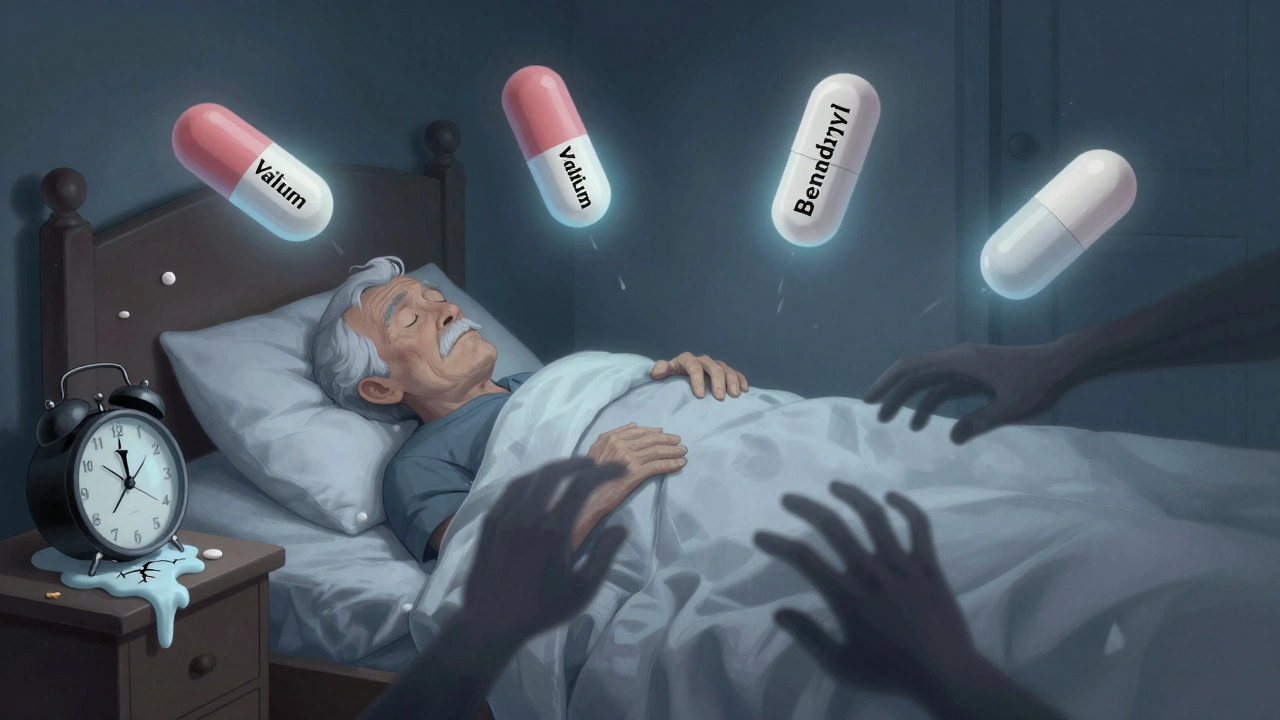
Sleep Medications and Sedatives in Seniors: Safer Sleep Strategies
Most sleep medications are unsafe for seniors, increasing fall and dementia risk. Learn safer alternatives like CBT-I and low-dose doxepin, and how to stop risky prescriptions.
read more