
Transplant Medication Risks: What You Need to Know Before Taking Immunosuppressants
When your body receives a new organ, it doesn’t know it’s supposed to accept it. That’s why transplant medication, drugs designed to prevent the immune system from attacking a transplanted organ. Also known as immunosuppressants, these medications are life-saving—but they come with serious trade-offs. Without them, your body will reject the new kidney, liver, heart, or lung. But with them, you’re left with a weakened immune system that struggles to fight off even common infections.
Immunosuppressants, a class of drugs that lower immune system activity to prevent organ rejection. Also known as anti-rejection drugs, they include cyclosporine, tacrolimus, mycophenolate, and sirolimus. Each one works differently, but all carry risks: kidney damage, high blood pressure, diabetes, tremors, and increased chances of skin cancer. Some interact badly with common meds—like antibiotics, antifungals, or even grapefruit juice. A simple mistake in timing or dosage can lead to rejection or overdose. One study found nearly 30% of transplant patients had at least one dangerous drug interaction in their first year. Many of these could’ve been avoided with better tracking and clearer instructions.
It’s not just about taking pills. You need to monitor your blood levels regularly, watch for signs of infection like fever or unusual fatigue, and never skip a dose—even if you feel fine. Missing even one pill can trigger rejection. And if you’re on multiple meds, the chances of harmful combinations go up fast. For example, taking tacrolimus with certain painkillers or antacids can spike your drug levels to toxic amounts. Some patients end up in the hospital because they took a cold medicine that wasn’t safe.
What you’ll find below isn’t just theory. These are real cases: a teen on transplant meds who lost appetite and stopped growing, someone whose gout flared after switching immunosuppressants, a patient who nearly overdosed because they crushed a time-release pill. These stories aren’t rare. They’re the quiet side of transplant survival—hidden behind the success stories. The posts here cut through the noise. They show you exactly which drugs clash, how to spot early warning signs, and what to ask your doctor before you leave the clinic. No fluff. No jargon. Just what you need to stay alive and healthy after your transplant.
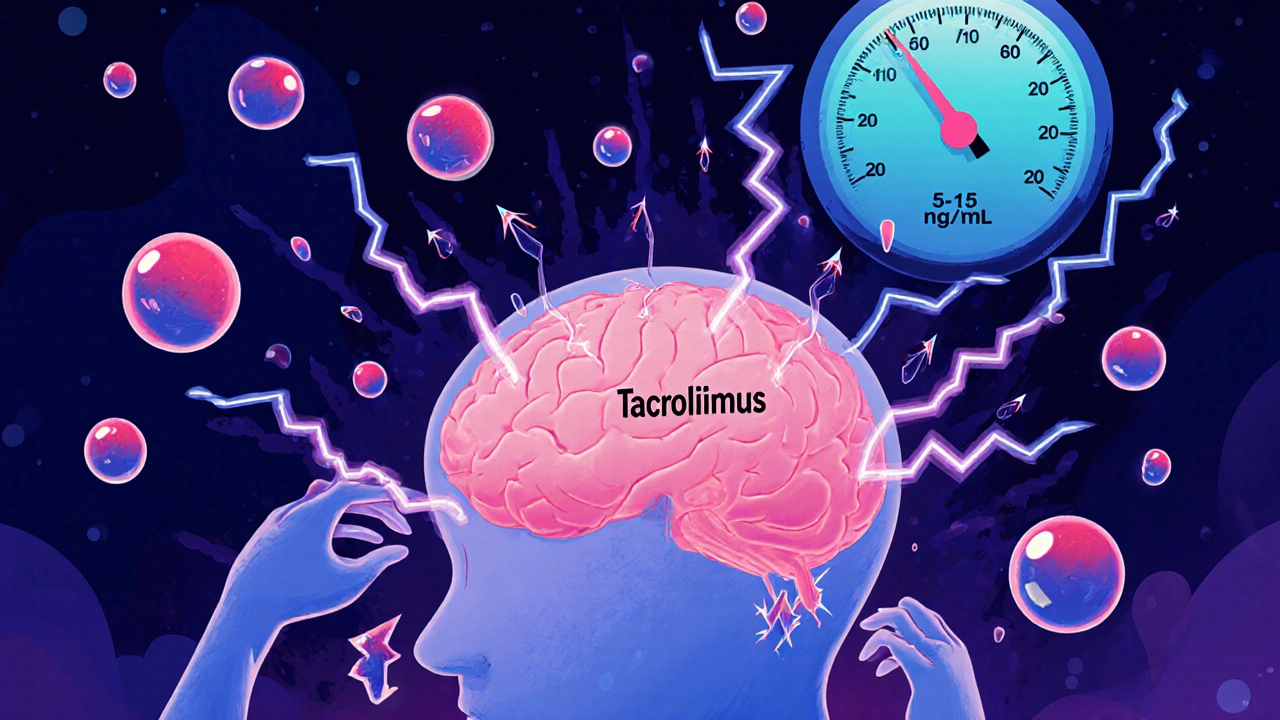
Tacrolimus Neurotoxicity: Understanding Tremor, Headache, and Blood Level Targets
Tacrolimus is vital for transplant patients, but up to 40% experience neurotoxicity like tremors and headaches-even at normal blood levels. Learn why, who’s at risk, and how to manage it.
read more