
Rectal Bleeding: Causes, Risks, and When to Seek Help
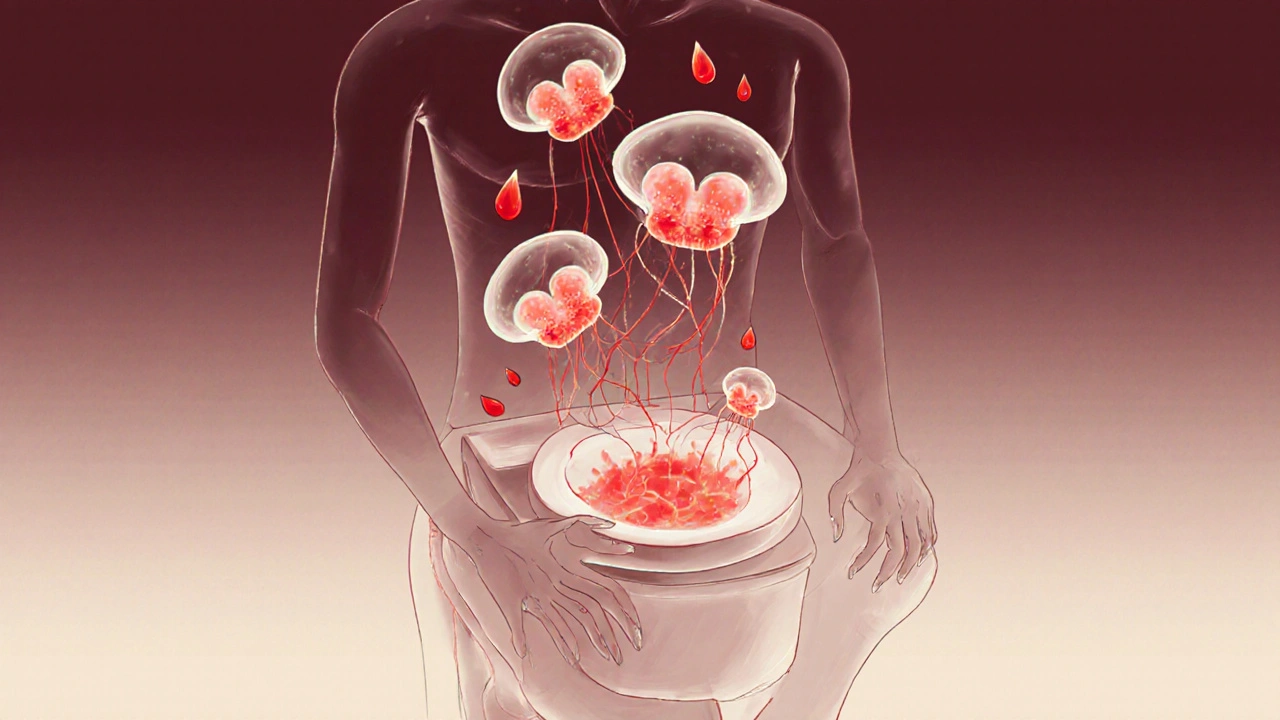
When you see blood in the toilet or on the toilet paper, it’s natural to panic. Rectal bleeding, the presence of blood coming from the rectum or anus. Also known as hematochezia, it’s not a disease itself—it’s a symptom. Many people assume it’s always something scary, like colon cancer. But the truth? Most of the time, it’s caused by simple, treatable issues. Still, ignoring it can be dangerous. That’s why knowing the difference between harmless causes and red flags matters more than you think.
One of the most common reasons for rectal bleeding is hemorrhoids, swollen veins in the lower rectum or anus that bleed during bowel movements. They’re painful, embarrassing, and super common—especially if you’re constipated, pregnant, or sit for long periods. Another frequent culprit is an anal fissure, a small tear in the lining of the anus, often caused by passing hard stools. These usually heal on their own, but they hurt like crazy and can bleed bright red. Then there’s diverticulosis, small pouches in the colon wall that can bleed without warning. It’s more common after 50 and often doesn’t cause pain, which makes it easy to overlook.
But here’s what you can’t afford to ignore: rectal bleeding can also signal something serious. Colon cancer, a growing tumor in the large intestine that may bleed slowly over time. It doesn’t always cause pain or changes in bowel habits early on. That’s why bleeding after 50, or any unexplained bleeding that keeps coming back, needs a doctor’s look. Inflammatory bowel diseases like Crohn’s or ulcerative colitis can also cause bleeding, along with diarrhea, weight loss, and cramps. And yes—some medications, like blood thinners or NSAIDs, can make bleeding worse by irritating the gut lining.
You don’t need to guess what’s going on. A simple exam, stool test, or colonoscopy can tell you if it’s hemorrhoids or something that needs urgent attention. Many people wait weeks or months because they’re embarrassed. But the sooner you get checked, the better the outcome—especially if it’s cancer. The posts below cover real cases, medication risks, and practical steps people have taken to figure out their bleeding. You’ll find advice on what to ask your doctor, how to track symptoms, and what tests actually matter. No fluff. Just what works.
Hemorrhoids: Internal vs. External and What Actually Works for Treatment
Learn the difference between internal and external hemorrhoids, what causes them, and proven treatment options - from home care to surgery. Stop guessing and start managing your symptoms effectively.
read more