
Prescription Labels: What They Mean and Why They Matter
When you pick up a prescription, the prescription label, the small but vital sticker on your medicine bottle that tells you how, when, and how much to take. Also known as drug label, it’s your primary guide for safe use—yet most people glance at it once and never look again. That’s a mistake. A misread label can lead to missed doses, dangerous interactions, or even overdose. The FDA requires specific information on every label, but what’s printed isn’t always clear. You might see "take with food" or "avoid alcohol," but rarely does it explain why—or what happens if you ignore it.
Behind every prescription label, the small but vital sticker on your medicine bottle that tells you how, when, and how much to take. Also known as drug label, it’s your primary guide for safe use—yet most people glance at it once and never look again. is a complex system of warnings, timing rules, and compatibility notes. For example, if your label says "take on an empty stomach," it’s not just a suggestion—it’s because food can block absorption. That’s why soy, coffee, or calcium supplements can ruin the effectiveness of thyroid meds like levothyroxine. Or if your label warns about sun exposure, it’s likely because your drug—maybe an antibiotic or diuretic—makes your skin dangerously sensitive. And those tiny print notes about "avoid grapefruit"? That’s not a myth. Grapefruit can cause toxic levels of certain blood pressure and cholesterol drugs to build up in your body.
Generic pills come with the same labels as brand names, but sometimes the inactive ingredients, the fillers and binders in pills that don’t treat your condition but can trigger side effects or alter how the drug works are different. That’s why some people get stomach upset or rashes after switching to a generic. The active drug is the same, but the label doesn’t tell you about the change in dyes, gluten, or lactose. That’s also why crushing or splitting pills can be dangerous—some labels say "do not crush" because it releases the full dose all at once, causing overdose. Even something as simple as taking a pill with water vs. juice can matter. One study found orange juice reduced the absorption of certain antibiotics by up to 40%.
And then there’s the timing. Labels often say "take once daily," but they rarely specify if that means morning, night, or with breakfast. If you’re on metformin, taking it with food reduces nausea. If you’re on a blood pressure pill like lisinopril-HCTZ, taking it too late can mean nighttime bathroom trips that wreck your sleep. And if you’re on bisphosphonates for osteoporosis, you need to wait 30 minutes before eating—otherwise, the drug won’t reach your bones. These aren’t random rules. They’re based on how your body absorbs, breaks down, and reacts to the drug.
Prescription labels are designed to protect you, but they’re not foolproof. They’re written for pharmacists and doctors first, not patients. That’s why so many people end up confused, especially when they’re juggling multiple meds. One label might say "take with food," while another says "take on an empty stomach." You’re left guessing—and guessing wrong can be risky. That’s why knowing how to read these labels matters more than you think. It’s not about memorizing every word. It’s about asking the right questions: Why this timing? What happens if I skip it? What foods or drinks interfere? What side effects should I watch for?
Below, you’ll find real-world examples of how prescription labels impact daily health—from how coffee ruins thyroid meds to why splitting pills can be deadly. You’ll learn how to spot hidden dangers on your own labels, what to ask your pharmacist when something doesn’t make sense, and how to avoid the most common mistakes that lead to hospital visits. These aren’t theory lessons. They’re the kind of details that keep you safe, save you money, and help you actually get better.
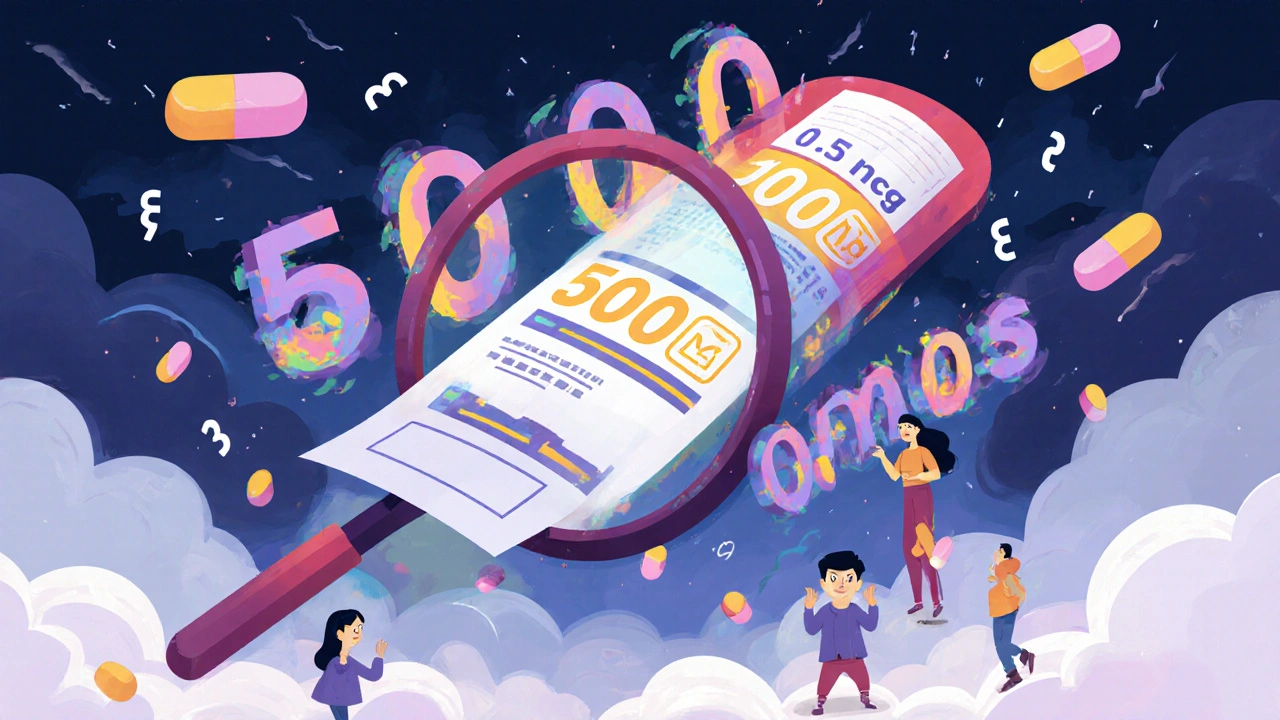
How to Check Medication Strength and Quantity on Prescription Labels
Learn how to read medication strength and quantity on prescription labels to avoid dangerous dosing errors. Simple steps to check your meds safely every time.
read more