
Paragraph IV Certification: What It Means for Generic Drugs and Your Pocket
When a generic drug company files a Paragraph IV certification, a legal notice filed with the FDA to challenge an existing drug patent. Also known as a Paragraph IV notice, it’s the trigger that can knock a brand-name drug off its monopoly and slash prices overnight. This isn’t just legal jargon—it’s the reason you can buy metformin, clopidogrel, or levothyroxine for pennies instead of dollars. Without Paragraph IV, most generics wouldn’t hit the market until the patent expires, which could take 20 years or more. But with this certification, companies can step in earlier if they believe the patent is invalid, unenforceable, or won’t be infringed.
Here’s how it works: a brand-name drug company holds a patent that protects its formula. When a generic maker wants to sell the same drug, they file an ANDA, Abbreviated New Drug Application. Within that application, they include the Paragraph IV certification. That’s their way of saying, ‘We’re not stealing your patent—we’re proving it doesn’t hold up.’ The brand company then has 45 days to sue. If they do, the FDA delays generic approval for 30 months—or until the court rules. But if they don’t sue? The generic hits shelves immediately. This system has been used successfully by companies challenging patents on drugs like Plavix, Depakote, and even Clomid, bringing down costs and expanding access.
It’s not just about money. Paragraph IV certification drives innovation in how drugs are made. Generic makers often find new ways to deliver the same active ingredient—like extended-release versions of metformin that reduce stomach upset, or pills that don’t need to be split, which avoids dangerous dose dumping. These aren’t just copies; they’re smarter versions built on the same science. That’s why you’ll find posts here about how to safely split pills, why coffee messes with levothyroxine, or how calcium blocks bisphosphonates. All these topics tie back to real-world drug use, and Paragraph IV certification made many of these affordable options possible.
But it’s not perfect. Sometimes, brand companies use tactics like ‘evergreening’—making tiny changes to a drug to reset the patent clock. Or they sue just to delay generics, even if their case is weak. That’s why the FDA and courts keep a close eye on these filings. Still, for patients managing gout, bipolar disorder, high blood pressure, or even skin infections, Paragraph IV is the quiet engine behind lower prices and better access. Whether you’re taking tacrolimus after a transplant, lurasidone for bipolar, or famciclovir for shingles, chances are a generic version exists because someone filed a Paragraph IV certification.
Below, you’ll find real-world examples of how this system affects everyday medications—from the timing of thyroid pills to the safety of splitting tablets. These aren’t theoretical discussions. They’re the lived experience of people who rely on affordable, effective drugs. And it all starts with a single legal notice.

Litigation in Generic Markets: How Patent Disputes Delay Affordable Medicines
Patent disputes in the generic drug market delay affordable medicines, costing billions annually. Learn how the Hatch-Waxman Act, Orange Book listings, and serial litigation block competition-and what’s being done to fix it.
read more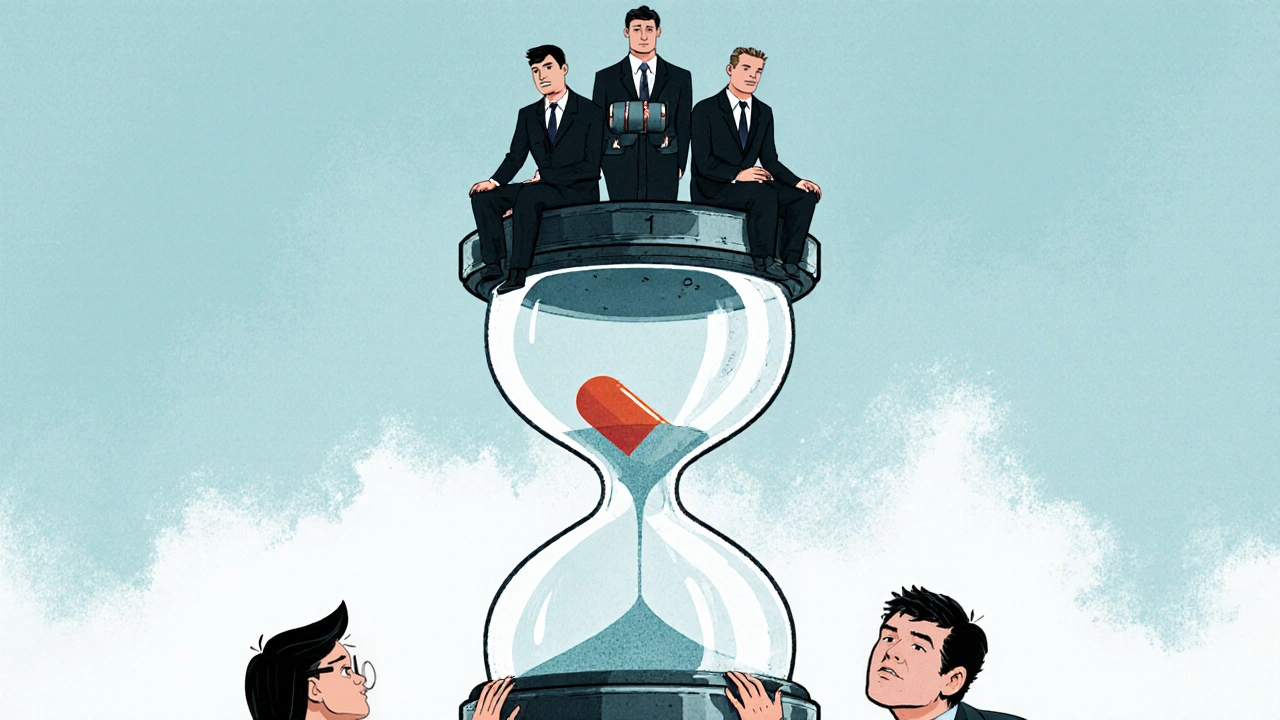
FDA's 180-Day Exclusivity: How It Helps First Generic Drug Applicants Cut Costs and Speed Up Access
The FDA's 180-day exclusivity gives the first generic drug maker to challenge a patent a head start on the market. But how does it really work-and why is it being changed? Learn how this rule shapes drug prices and access.
read more