
Generic Drug Safety: What You Need to Know About Quality and Risks
When you pick up a generic drug, a medication that contains the same active ingredient as a brand-name drug but is sold under its chemical name. Also known as generic medication, it works the same way, costs far less, and is used by millions every day. But safety? That’s the real question. Are these cheaper pills just as reliable? The answer isn’t simple—and it’s not just about price.
Drug quality, the consistency and purity of a medication’s ingredients and manufacturing process is what matters most. The FDA requires generic drugs to meet the same standards as brand-name ones: same active ingredient, same strength, same way it’s absorbed. But here’s what they don’t tell you: generics can have different fillers, coatings, or manufacturing sites. One batch might come from a factory in India, another from a plant in Ohio. That’s not a red flag—unless quality controls slip. Mail-order pharmacies, for example, ship 90% of their prescriptions as generics, and they use temperature tracking and sealed packaging to keep meds stable during transit. That’s not luck. That’s system.
Then there’s medication safety, how a drug behaves in your body and whether it interacts with other meds or conditions. Splitting pills to save money? Fine—if it’s a tablet designed for splitting. Crushing a time-release capsule? That’s dangerous. You could dump the whole dose at once. Same goes for taking soy with thyroid meds or coffee right after your levothyroxine. These aren’t myths. They’re documented interactions that mess with absorption. And if you’re on something like tacrolimus or metformin, even small changes in how your body gets the drug can cause real side effects—tremors, nausea, or worse.
Some people think generics are riskier because they’re cheaper. But the real risk comes from misunderstanding how they work. It’s not the generic label—it’s the lack of clear guidance. A pill splitter you bought at the drugstore might not be precise. A mail-order pharmacy might ship your meds in a box that sat in a hot warehouse. Your doctor might not warn you that your calcium supplement cancels out your osteoporosis drug if you take them together. These aren’t edge cases. They’re everyday mistakes.
What you’ll find below isn’t theory. It’s real-world experience from people who’ve dealt with patch testing for skin reactions, figured out how to time their thyroid meds around coffee, split pills safely—or learned the hard way not to. You’ll see how FDA exclusivity rules affect prices, why extended-release metformin is easier on your stomach, and what happens when you crush a tablet meant to be swallowed whole. These aren’t random articles. They’re the answers to the questions you didn’t know to ask.
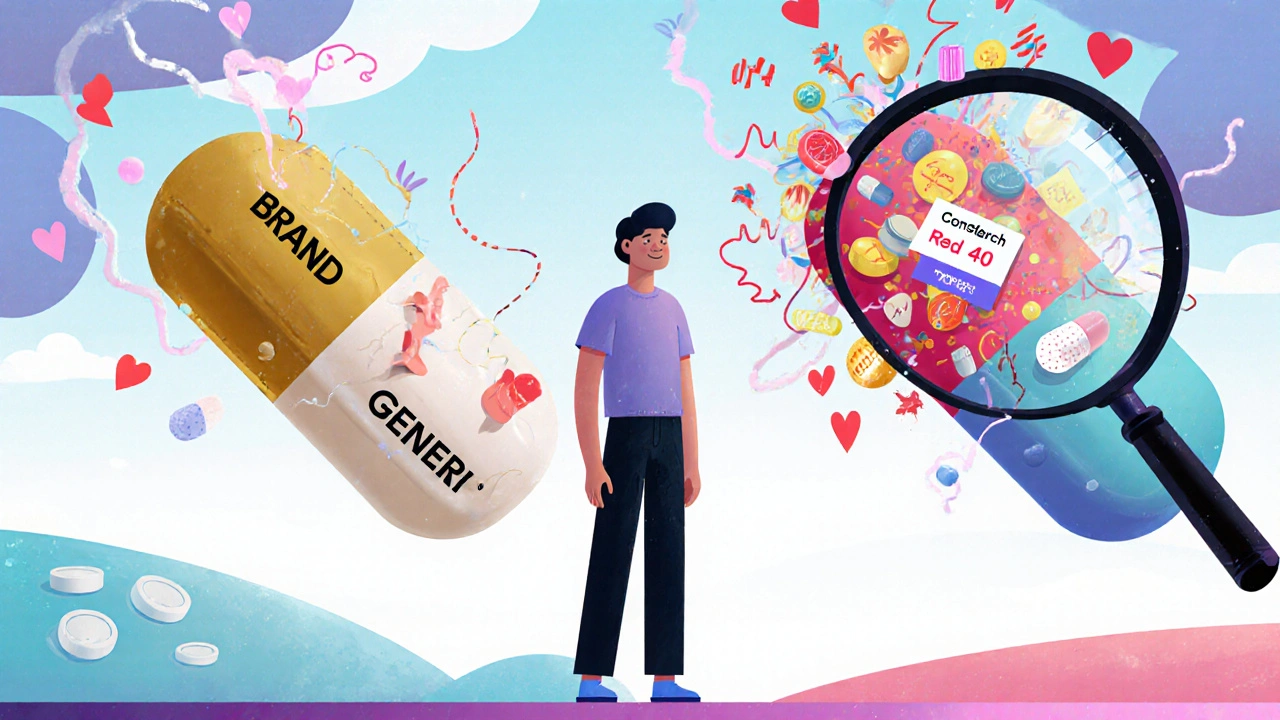
Unexpected Side Effects from Generic Medications: When to Seek Help
Generic medications are usually safe, but unexpected side effects can happen due to differences in inactive ingredients. Learn which drugs carry the highest risk and when to seek medical help after a switch.
read more