
Chronic Pain Treatment: Effective Options, Medications, and What Actually Works
When you live with chronic pain treatment, a long-term approach to managing persistent pain that lasts beyond normal healing time. It's not just about popping pills—it's about understanding what’s causing the pain, how your body responds, and which options actually deliver lasting relief without side effects. Unlike acute pain, which fades after an injury heals, chronic pain sticks around for months or years, often without a clear cause. That’s why so many people end up cycling through treatments, trying everything from opioids to acupuncture, hoping something finally clicks.
One major player in chronic pain treatment, a long-term approach to managing persistent pain that lasts beyond normal healing time. It's not just about popping pills—it's about understanding what’s causing the pain, how your body responds, and which options actually deliver lasting relief without side effects. is NSAIDs, nonsteroidal anti-inflammatory drugs used to reduce inflammation and relieve pain. These include common drugs like ibuprofen and naproxen, and while they help with arthritis or muscle pain, they’re not safe for daily use over years. Then there’s the growing concern around opioid alternatives, medications or therapies that manage pain without the addiction risks of opioids. Many people are switching to gabapentin for nerve pain, duloxetine for fibromyalgia, or even topical creams with lidocaine—options that target pain at the source without the high risk of dependence.
What’s often missing from the conversation is how other conditions tie into chronic pain. For example, gout flare treatment, managing sudden, severe joint pain caused by uric acid crystals can become chronic if not properly controlled. Same with carpal tunnel syndrome, a condition where nerve compression in the wrist causes pain, numbness, and weakness. These aren’t separate issues—they’re part of the bigger picture of how pain moves through the body and what triggers it. Even something like medication-induced hiccups, persistent hiccups triggered by drugs like steroids or opioids can signal that your pain meds are affecting your nervous system in ways you didn’t expect.
And here’s the truth: no single drug works for everyone. What helps one person’s back pain might do nothing for another’s neuropathic pain. That’s why the best chronic pain treatment isn’t just about prescriptions—it’s about combining what works: physical therapy, sleep hygiene, diet changes, and smart medication timing. If you’re on levothyroxine and dealing with joint pain, coffee or soy might be making it worse. If you’re taking bisphosphonates for osteoporosis, your pain might be linked to bone density changes. These aren’t random connections—they’re real, documented interactions that affect your daily comfort.
Below, you’ll find real, practical advice from people who’ve been there. No fluff. No hype. Just clear answers on what medications work, what to avoid, and how to take control of your pain without relying on risky shortcuts. Whether you’re dealing with nerve pain, joint inflammation, or side effects from long-term meds, the solutions here are grounded in what actually happens in real lives—not just clinical trials.
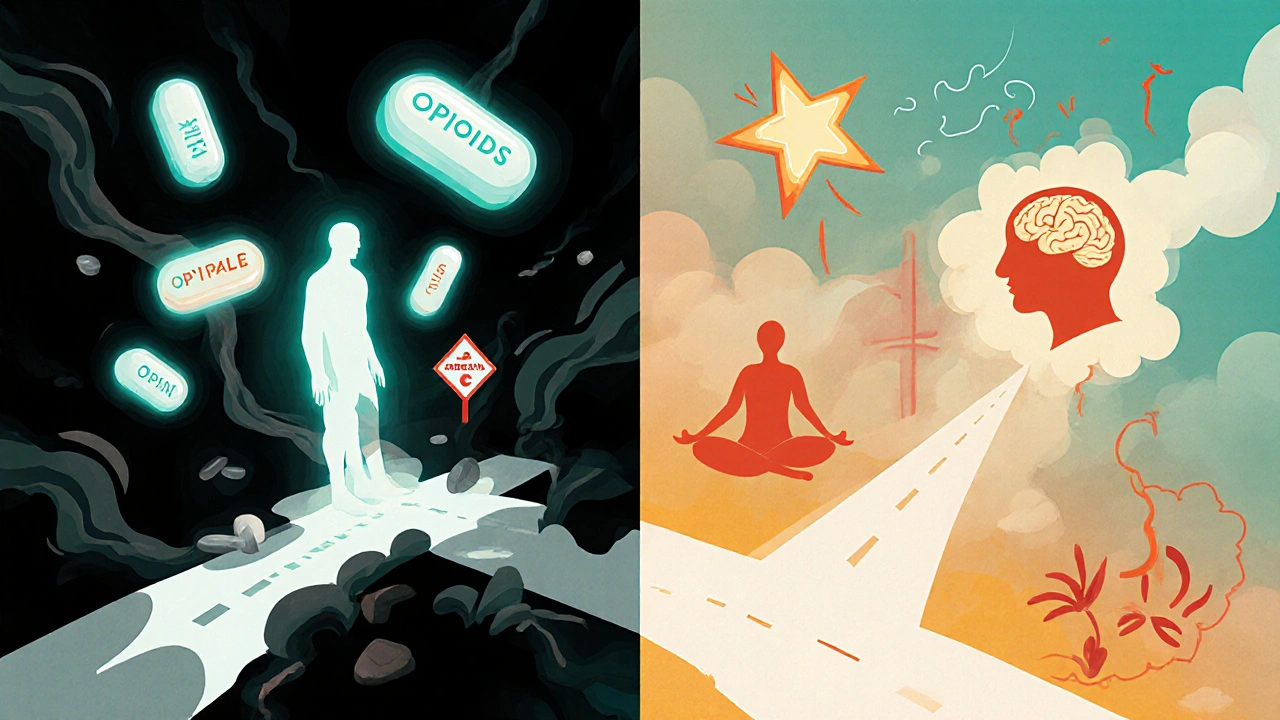
Non-Opioid Pain Management: Proven Alternatives That Actually Work
Discover proven, science-backed alternatives to opioids for managing chronic and acute pain safely. From physical therapy to new FDA-approved drugs, learn what actually works without the risk of addiction.
read more