
CBD for Pain: What Works, What Doesn't, and How to Use It Safely
When people search for CBD for pain, a cannabis-derived compound used to ease discomfort without the high of THC. Also known as cannabidiol, it's one of the most talked-about natural options for managing chronic pain—backed by real studies, not just hype. Unlike opioids or NSAIDs, CBD doesn’t shut down your nervous system or wreck your stomach. It works differently—interacting with your body’s own pain and inflammation signals. That’s why so many people with arthritis, nerve pain, or muscle soreness are turning to it.
But CBD isn’t magic. And not every bottle on the shelf does what it claims. The real question isn’t whether CBD helps pain—it’s which kind, how much, and how to use it without wasting money or risking side effects. The CBD oil, a concentrated liquid form of cannabidiol, usually taken under the tongue or added to food you buy matters more than the brand name. Look for third-party lab tests that show exact CBD content and zero THC if you’re avoiding psychoactive effects. Then there’s the pain relief, the goal behind using CBD, which can come from reduced inflammation, nerve calming, or muscle relaxation. Studies show it helps with joint pain, back discomfort, and even fibromyalgia—but results vary by person, dose, and product quality.
You’ll find posts here that cut through the noise. Some explain how CBD compares to traditional meds like NSAIDs for chronic inflammation. Others show you how to spot fake products that claim to be CBD but are just olive oil with a label. There’s even one that breaks down why some people feel relief in days while others need weeks—and what to do if it stops working. You’ll learn how dosage affects outcomes, what side effects to watch for (yes, they exist), and how to talk to your doctor about using it alongside other meds. No fluff. No marketing spin. Just what the science says and how real people are using it.
If you’re tired of guessing whether CBD will help your pain—or worse, wasting money on products that don’t deliver—this collection gives you the facts you need to make a smart choice. What works for one person might not work for you. But with the right info, you won’t be shooting in the dark anymore.
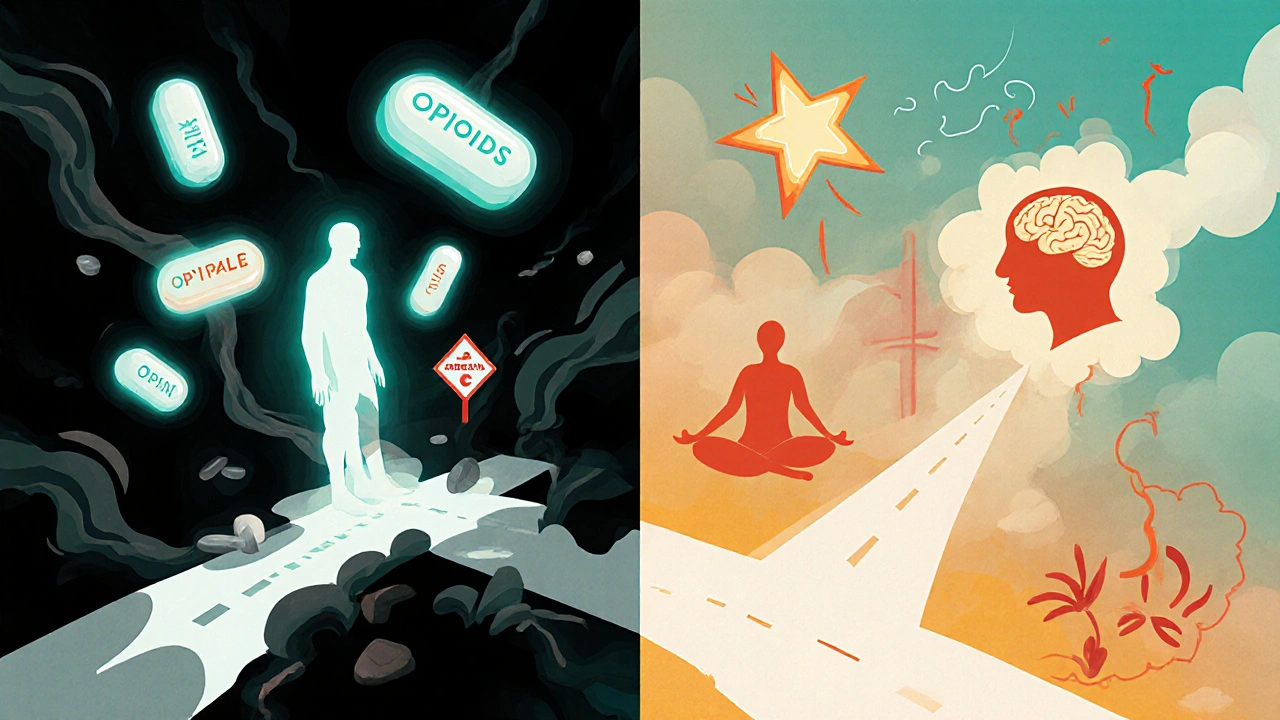
Non-Opioid Pain Management: Proven Alternatives That Actually Work
Discover proven, science-backed alternatives to opioids for managing chronic and acute pain safely. From physical therapy to new FDA-approved drugs, learn what actually works without the risk of addiction.
read more