
Biologics Travel: What You Need to Know About Transporting Biologic Medications
When you're traveling with biologics, complex, protein-based medications made from living cells, often used for autoimmune diseases, cancer, or chronic conditions. Also known as biologic drugs, they're not like regular pills—they need careful handling to stay effective. If you're on a biologic like Humira, Enbrel, or Remicade, a few hours in a hot car or a broken cooler can ruin your dose. That’s not a hypothetical risk—it’s something real patients deal with every day.
Biologics are sensitive to temperature, light, and shaking. Most need to stay between 36°F and 46°F (2°C to 8°C), even during flights or layovers. If they freeze, they can lose potency. If they get too warm, they can break down. This isn’t just about convenience—it’s about safety. The FDA and WHO both warn that improperly stored biologics may not work, and in rare cases, can cause harmful reactions. You’re not just carrying medicine; you’re carrying your treatment plan, your health stability, and sometimes, your ability to function.
That’s why temperature-sensitive drugs, medications that require strict thermal control during storage and transport need special tools: insulated travel cases, reusable ice packs, and sometimes even portable refrigerators. Airlines don’t always store these in their cargo holds properly, so carrying them in your carry-on is often the only safe choice. But you can’t just toss them in your purse. You need to know how to prove they’re medical, how to handle TSA screening, and what documentation to bring. Some patients carry a doctor’s letter, a prescription label, or even a temperature log. These aren’t extras—they’re essentials.
And it’s not just about flying. Road trips, train rides, or even a long walk from your car to your hotel room can expose your biologic to extreme heat or cold. In summer, a parked car can hit 140°F. In winter, a suitcase left outside can freeze. That’s why smart travelers keep their meds on their person, use insulated pouches with gel packs, and always check the temperature before injecting. Some even use small digital thermometers that record the coldest and hottest points during their trip.
There’s also the issue of time zones and dosing schedules. If you’re crossing multiple zones, your injection time might shift. Skipping or delaying a dose can trigger a flare-up. Planning ahead isn’t optional—it’s part of the treatment. Many patients use apps to track doses, set reminders, and even log storage conditions. It’s not about being overly cautious; it’s about staying in control.
Below, you’ll find real advice from patients and pharmacists on how to manage biologics on the move. From TSA tips to backup plans when your cooler fails, these posts cover what actually works. No fluff. No theory. Just what you need to keep your meds safe and your health on track—no matter where you are.
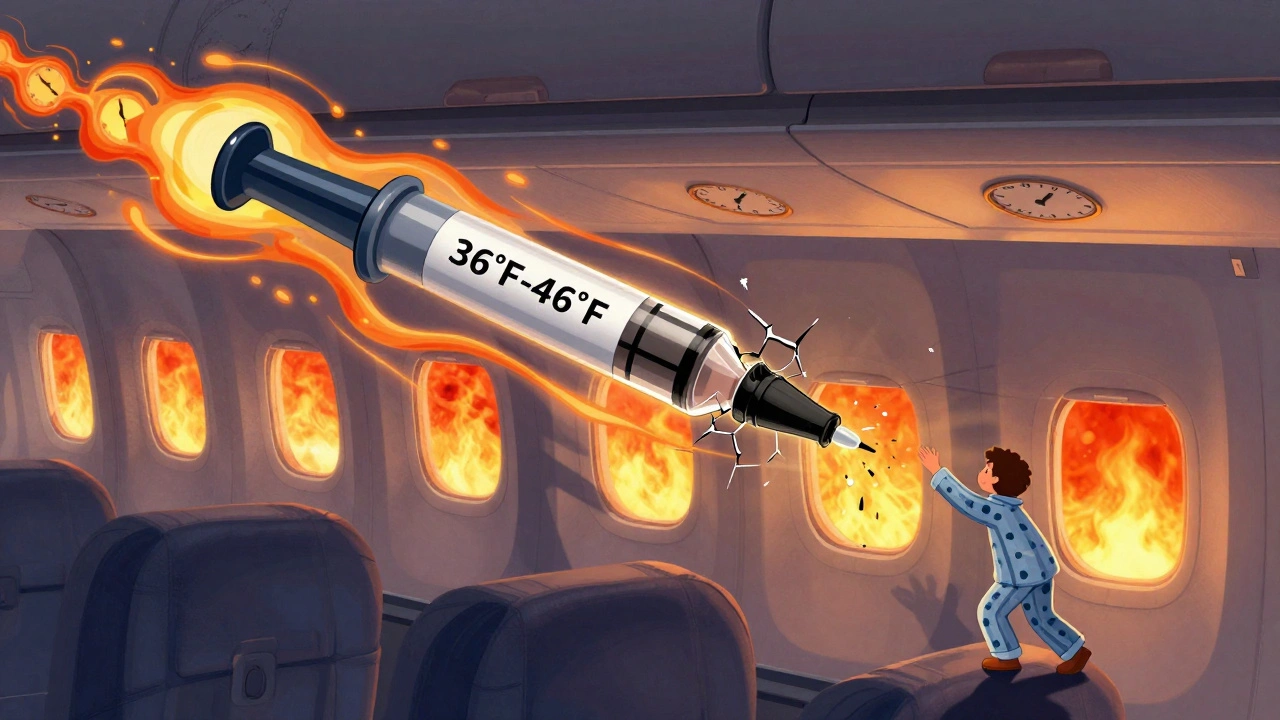
How to Store Insulin and Biologics During Long Flights: A Practical Guide
Learn how to safely store insulin and biologics during long flights to prevent dangerous temperature damage. Essential tips for travelers with diabetes, including cooling wallets, TSA rules, and dosing adjustments for time zones.
read more