
Appetite Suppression: How Medications and Supplements Help Control Hunger
When you're trying to lose weight, appetite suppression, the reduction of hunger signals to help eat less without feeling deprived. Also known as hunger control, it's not just about willpower—it's often about chemistry. Your brain sends signals telling you when you're full, but stress, hormones, or certain medications can mess with those signals. That’s where appetite suppression comes in—not as a magic fix, but as a tool that helps you eat less naturally by quieting the urge to snack or overeat.
Some of the most common ways people try to suppress appetite are through medications like Orlistat, a fat-blocker that reduces calorie absorption and indirectly lowers hunger over time, or supplements like fumarate, a molecule involved in energy production that may help reduce cravings by improving metabolic efficiency. These aren’t stimulants like old-school diet pills—they work differently. Orlistat doesn’t touch your brain; it stops fat from being absorbed, so your body gets less energy from food, which can naturally reduce appetite. Fumarate, on the other hand, supports your cells’ energy cycle, helping your body feel more satisfied with less food. Both have been studied in real-world use, not just labs.
But appetite suppression isn’t just about pills. It’s tied to how your body handles insulin, blood sugar, and even gut hormones. For example, if you’re on medications like clonidine or valproic acid, you might notice changes in hunger—not because they’re designed for weight loss, but because they affect your nervous system or metabolism. Even something as simple as timing your levothyroxine correctly can influence how hungry you feel during the day. These connections matter because what you take for one condition can quietly affect another.
What you’ll find in the posts below isn’t a list of miracle cures. It’s real talk about what actually works, what doesn’t, and what you need to watch out for. You’ll see how Orlistat stacks up against other weight-loss drugs, how fumarate might help your metabolism without crashing your energy, and why some people feel hungrier after starting certain meds. No fluff. No hype. Just clear, practical info based on how these things behave in real bodies, not just in ads.
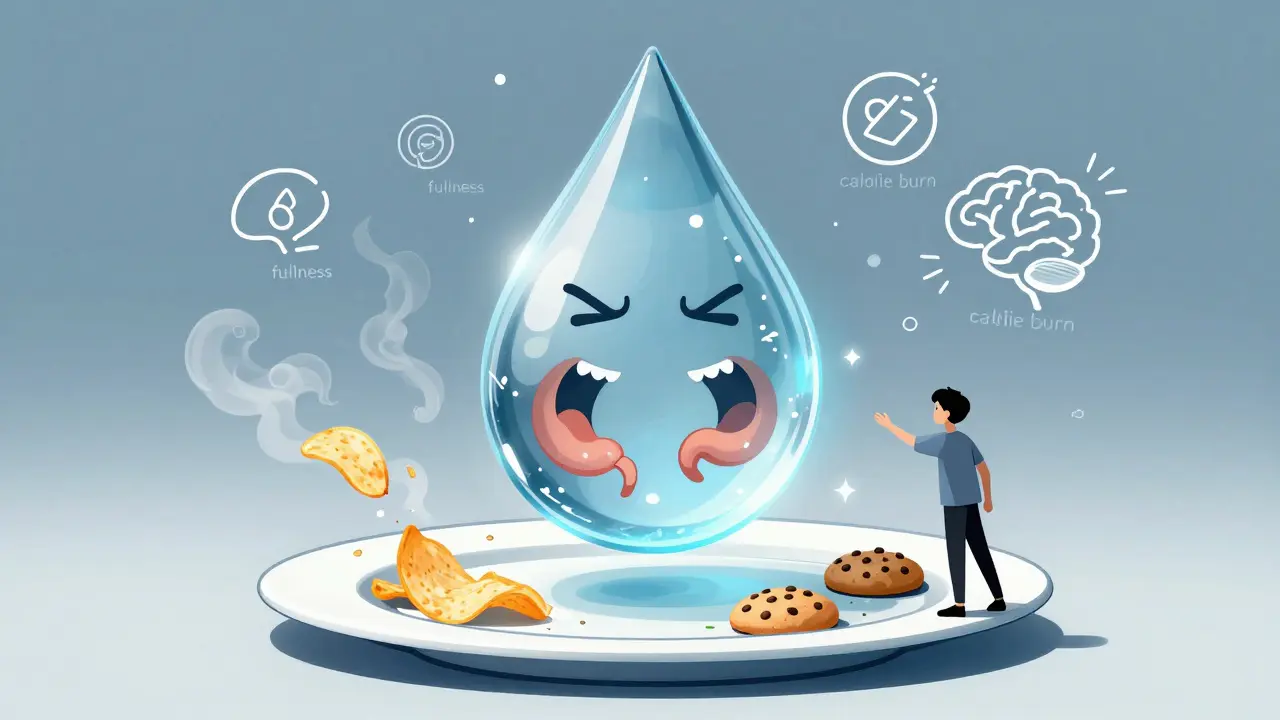
How Drinking Water Helps You Lose Weight by Curbing Appetite and Boosting Performance
Drinking water before meals can reduce appetite, boost metabolism, and help you lose weight naturally. Science shows it's more effective than diet drinks and works without changing your diet.
read more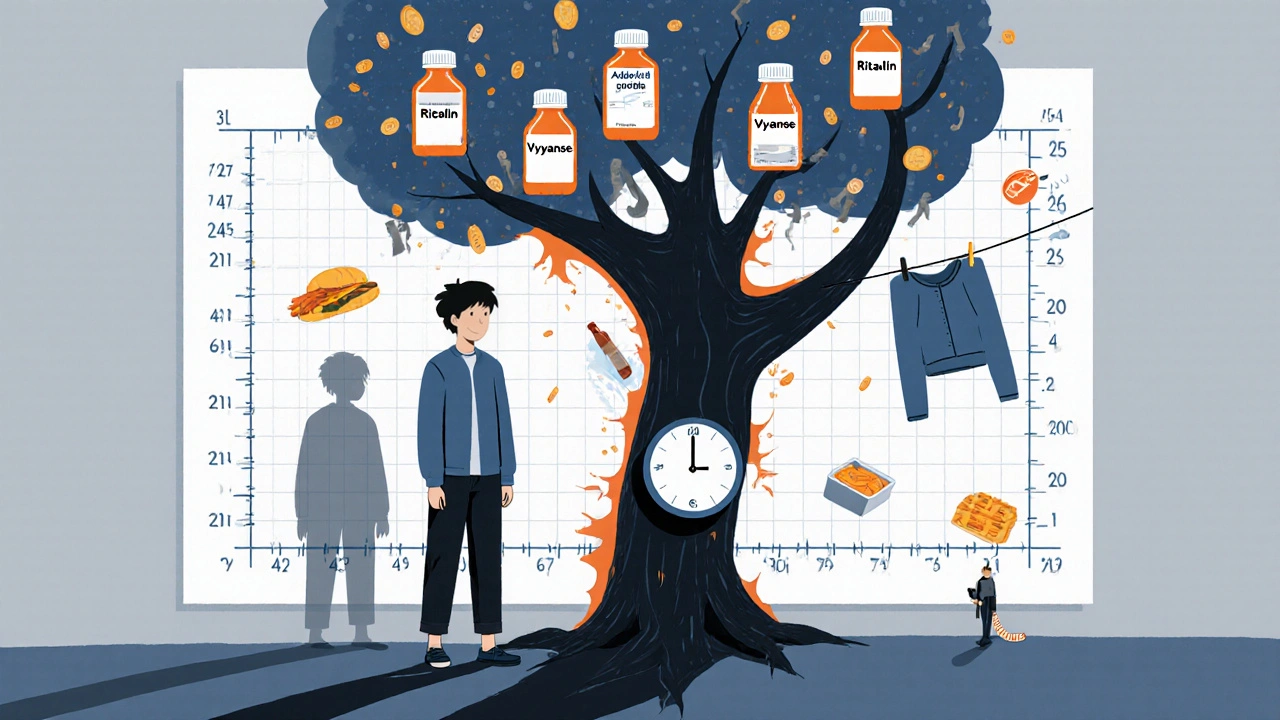
ADHD Medications in Teens: Tracking Growth, Appetite, and Side Effects
ADHD medications help teens focus but can affect growth and appetite. Learn how to monitor side effects, manage nutrition, and make informed treatment decisions with evidence-based strategies.
read more