
Alternatives to Opioids: Safer Pain Relief Options You Can Trust
When you need pain relief but want to avoid alternatives to opioids, non-addictive treatments for pain that reduce reliance on narcotics. Also known as non-opioid pain management, these options help you stay functional without the risk of dependence, overdose, or withdrawal. Millions of people now use them after learning how dangerous long-term opioid use can be—even when prescribed. You don’t need to suffer in silence or risk addiction just because your doctor once reached for a prescription pad.
Many of the best NSAIDs, nonsteroidal anti-inflammatory drugs used to reduce pain and swelling. Also known as anti-inflammatories, they like ibuprofen or naproxen work well for arthritis, injuries, and post-surgery pain. They’re not magic, but they’re proven, cheap, and widely available. For nerve pain—like sciatica or diabetic neuropathy—gabapentin, a medication originally for seizures that also calms overactive nerves. Also known as Neurontin, it helps more than you’d think, with fewer side effects than opioids. Muscle relaxants like cyclobenzaprine or baclofen are another go-to when tight muscles are the real culprit behind your pain. And for flare-ups like gout, colchicine or steroids can shut down inflammation fast without touching opioids at all.
What ties these together? Timing, accuracy, and knowing your body. Crushing pills, mixing meds, or skipping doses can turn a safe alternative into a risk. That’s why posts here break down exactly how to use these drugs right—like how coffee messes with thyroid meds, or why splitting certain tablets can be dangerous. You’ll find real comparisons: when to pick clonidine over a beta-blocker for anxiety-related pain, how metformin’s extended-release form cuts stomach issues, or why Fucidin cream might beat an antibiotic pill for a skin infection. These aren’t theory pieces. They’re what people actually use, what pharmacists warn about, and what studies show works.
You don’t need a miracle cure. You need clear, practical info that matches your life. Whether you’re managing chronic back pain, recovering from surgery, or just tired of feeling drowsy from pills that don’t even help, the right alternative is out there. Below, you’ll find detailed, no-fluff guides on what actually works, what to avoid, and how to talk to your doctor about switching safely.
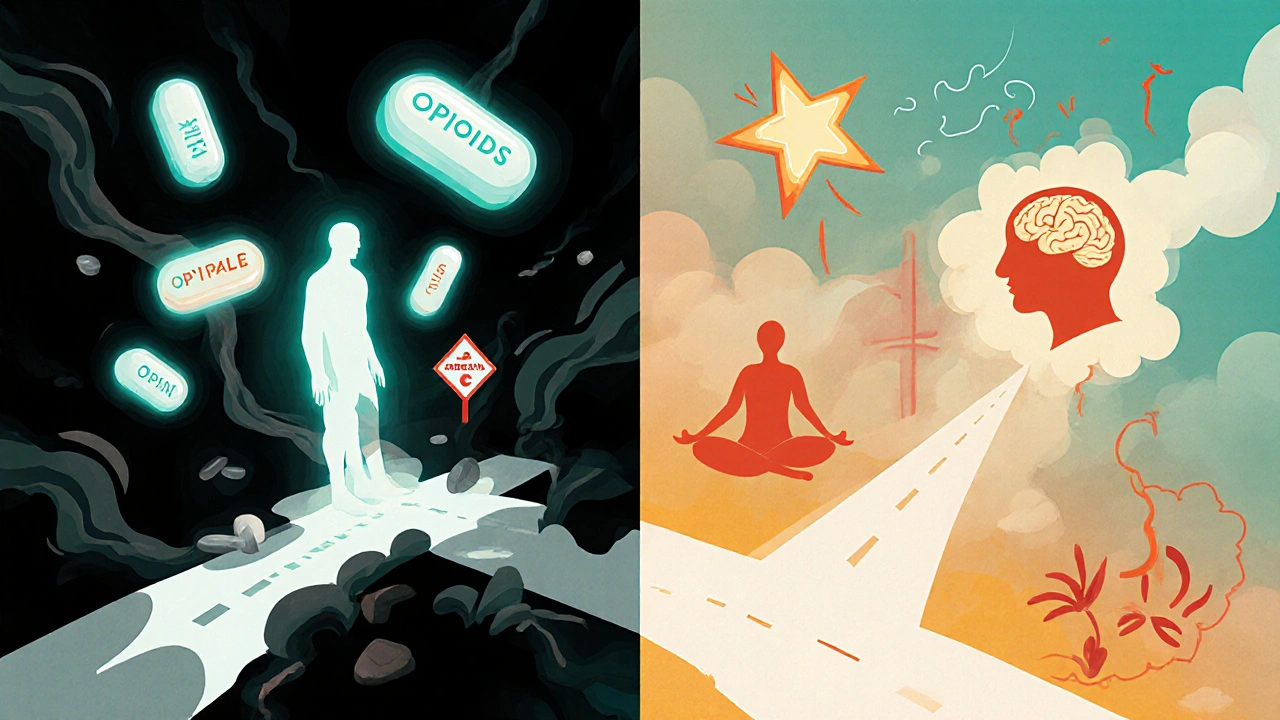
Non-Opioid Pain Management: Proven Alternatives That Actually Work
Discover proven, science-backed alternatives to opioids for managing chronic and acute pain safely. From physical therapy to new FDA-approved drugs, learn what actually works without the risk of addiction.
read more