
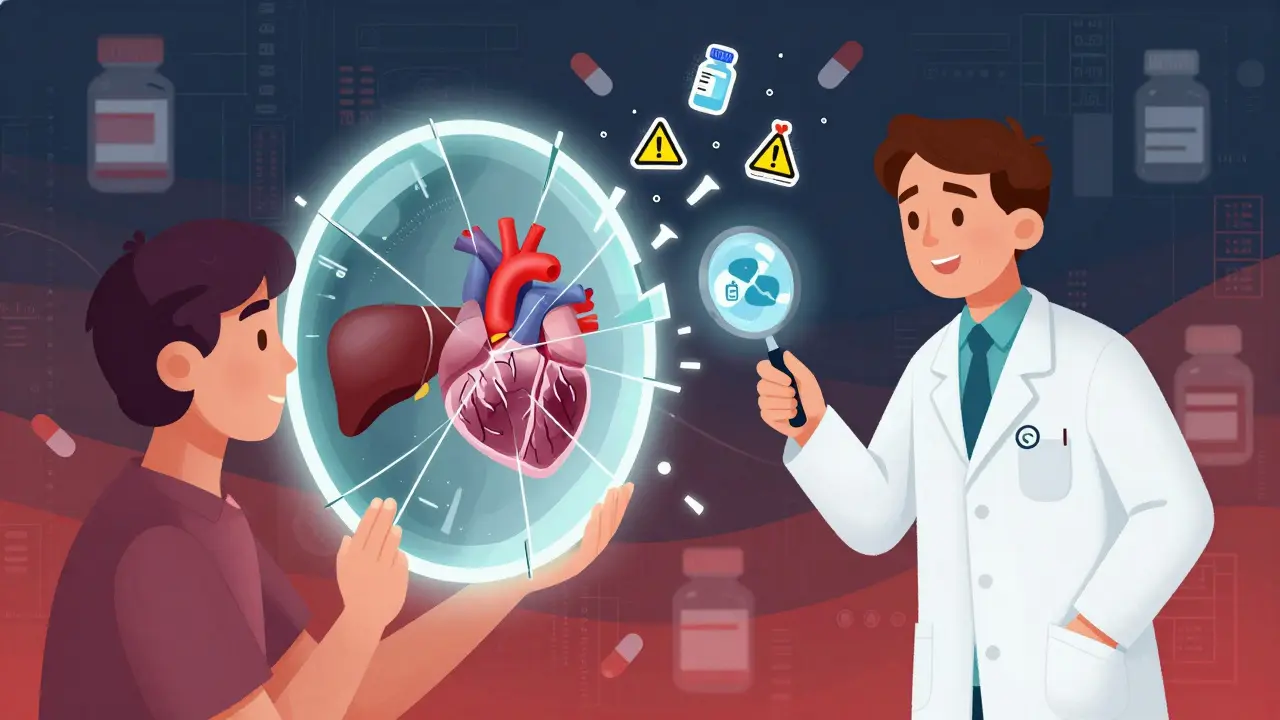
It’s 2026. You’re on a medication that’s been working fine for years. Then you see a headline: drug safety alerts for your pill. Your heart drops. Is it dangerous now? Should you stop? Who do you trust? You’re not alone. Every year, the FDA issues hundreds of these alerts-new warnings about side effects, dosage risks, or hidden dangers in medicines you’re already taking. But here’s the problem: most patients don’t know how to bring this up with their doctor without sounding alarmist or wasting precious minutes in a crowded clinic.
What Exactly Is a Drug Safety Alert?
A drug safety alert isn’t a rumor. It’s not a social media post. It’s an official notice from a government regulator like the U.S. Food and Drug Administration (FDA), the UK’s Drug Safety Update, or Australia’s TGA. These alerts come out when new evidence shows a medicine might cause harm that wasn’t clear during clinical trials. Think of it like a software update for your body’s safety system. These alerts aren’t just about rare side effects. They can mean new warnings about addiction risk (like with ADHD stimulants in 2023), liver damage from long-term use, or even the need for extra scans if you’re on a new Alzheimer’s drug like Leqembi. The FDA alone receives over 1.2 million reports of bad reactions every year-from doctors, pharmacists, and patients. That data gets analyzed. When patterns emerge, they issue an alert. The key thing to remember: drug safety alerts don’t mean you should stop your medicine. They mean you should talk about it. Many alerts only apply to certain people-like those with kidney problems, older adults, or those taking five or more medications. Your doctor needs to know you’ve seen it so they can check if it applies to you.Why Most Patients Get It Wrong
I’ve seen this too many times. A patient walks in holding up their phone with a Facebook post that says, “THIS DRUG KILLS!” They’re scared. Their doctor, who’s already juggling 20 patients that day, hears “alarmist,” “misinformation,” or “you read too much.” And the conversation ends there. Here’s the truth: 68% of patients who bring up safety alerts with their doctor get a good response-if they do it right. The other 32%? They’re dismissed. Why? Because they didn’t prepare. The biggest mistake? Sharing headlines. Or screenshots. Or YouTube videos. Those aren’t evidence. They’re noise. The FDA’s official Drug Safety Communications are detailed, dated, and written for healthcare professionals. If you show your doctor a meme, they’ll assume you don’t understand the context. If you show them the real alert? They’ll take it seriously.How to Find the Real Alert (Not the Noise)
Go straight to the source. Don’t Google your drug name + “danger.” Go to fda.gov/drugs/drug-safety. Type your medication’s exact name in the search bar. Look for the most recent communication. It will have a date, a title, and a clear summary. For example, if you’re on metformin, you might find an alert about vitamin B12 deficiency after long-term use. If you’re on an opioid painkiller, you might see a 2025 update about long-term use risks. The alert will say exactly what changed, who it affects, and what your doctor should do. Print it. Or save the PDF. Don’t rely on your browser history. You’re going to need it at your appointment.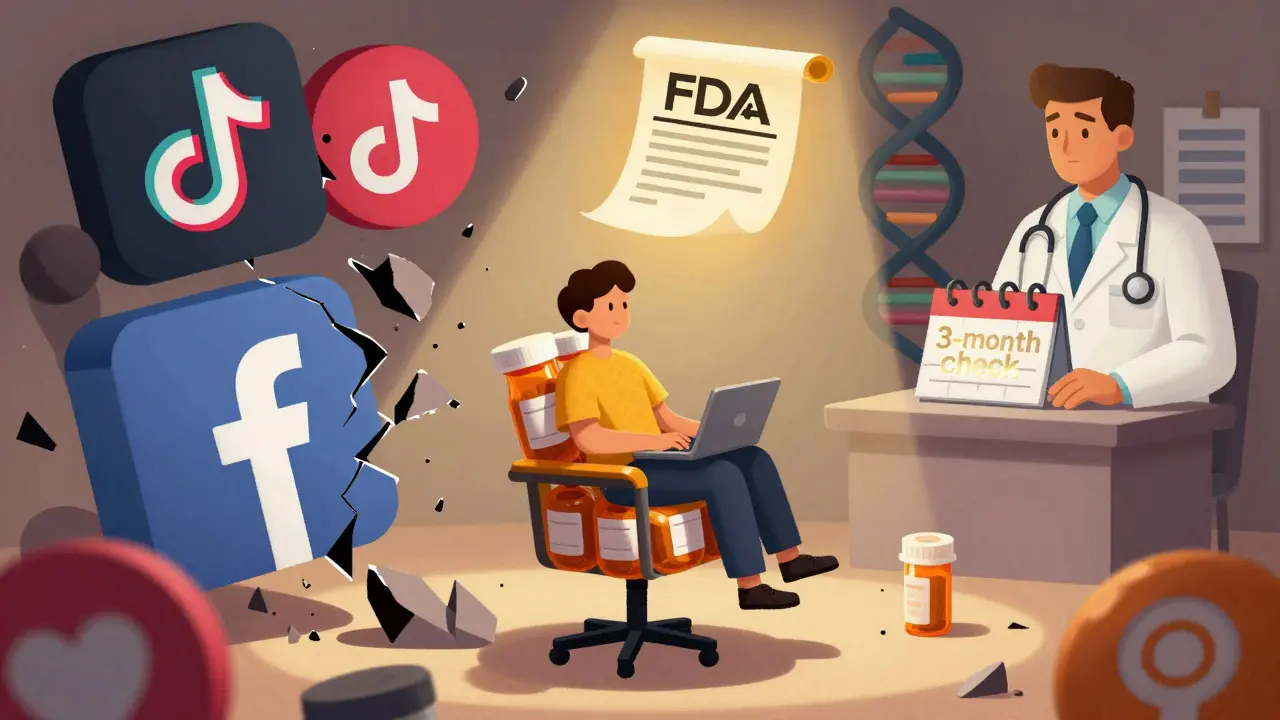
What to Say at Your Appointment
Don’t say: “I read this drug is dangerous.” Say this instead: “I saw this FDA safety alert about [medication name], dated [date]. I wanted to understand if it applies to me.” That’s it. No drama. No fear. Just facts. You’re not challenging your doctor-you’re giving them information they might not have seen yet. Doctors get hundreds of alerts every month. Most never read them. When you bring a printed copy with the date and your name on it, you’re helping them do their job better. One study found that patients who raised safety concerns in the first two minutes of their appointment were 40% more likely to get a thoughtful response.Ask the Right Questions
Once your doctor looks at the alert, ask these three questions:- Does this warning affect me based on my health, age, or other meds I’m taking?
- Do I need any new tests or monitoring because of this?
- Are there safer alternatives if this risk is real for me?
What If Your Doctor Dismisses It?
Sometimes, they’ll say, “That’s not relevant,” or “We’ve known about this for years.” That’s possible. Some alerts are updates to old warnings. But if they brush you off without checking the details, ask: “Can you look at the alert with me right now?” If they still won’t engage, say: “I’d like a second opinion. Can you refer me to a pharmacist or specialist who can review this with me?” Pharmacists are trained to interpret these alerts. Many clinics now have medication therapy management programs where a pharmacist reviews your entire list of drugs for safety. Ask if your doctor’s office offers that.
What You Should Never Do
- Stop your medicine because of a headline.
- Switch to another drug without talking to your doctor.
- Share unverified posts from Instagram or TikTok as proof.
- Wait until your next scheduled visit if you feel new symptoms.
How to Stay Ahead of Future Alerts
The FDA now lets you sign up for email alerts based on your medications or medical conditions. Go to fda.gov/drug-safety and click “Subscribe.” You can choose to get alerts only for your specific drug or for entire classes-like “all diabetes medications” or “all blood thinners.” Set a calendar reminder: every three months, check your meds against the latest FDA updates. It takes five minutes. That’s less time than scrolling through your phone. Also, keep a simple list of everything you take-name, dose, reason. Bring it to every appointment. If a new alert comes out, you can instantly check if it applies.Why This Matters More Than Ever
In 2026, the average person takes 4 to 6 prescription drugs. That’s more than double what it was 20 years ago. With more drugs comes more chances for interactions, side effects, and hidden risks. The global pharmacovigilance market is growing fast because the system is under pressure. But here’s the good news: you’re not powerless. You’re not just a patient. You’re a partner in your own care. When you bring a real alert to your doctor, you’re not being difficult. You’re being smart. Studies show that when patients are informed and involved, medication errors drop. Hospital stays drop. Deaths drop. You don’t need to be a scientist. You just need to be prepared. Print the alert. Know your meds. Ask the right questions. And don’t let fear silence you.What should I do if I see a drug safety alert for my medication?
Don’t panic or stop taking it. Print the official FDA Drug Safety Communication, bring it to your next appointment, and say: ‘I saw this alert about [medication name] and wanted to understand if it applies to me.’ Your doctor will review it with you and let you know if any changes are needed.
Are drug safety alerts always urgent?
Not always. Some alerts are updates to long-known risks. Others are new findings that require immediate action, like a boxed warning for a drug linked to heart damage. The alert will say whether it’s a ‘new’ or ‘updated’ warning. If it mentions a boxed warning, a dosage change, or a new monitoring requirement, it’s more urgent. Always discuss it with your doctor-even if it seems minor.
Can I trust drug safety alerts from social media?
No. Social media posts often exaggerate, misquote, or remove context. A post saying ‘This drug causes death’ might be referring to one rare case out of 100,000 users. The FDA’s official alerts include exact numbers, patient groups affected, and supporting evidence. Always go to fda.gov/drug-safety to find the original source.
What if my doctor says the alert doesn’t apply to me?
That’s often true. Many alerts only affect people with certain conditions-like kidney disease, pregnancy, or those taking multiple drugs. Ask your doctor to explain why it doesn’t apply to you. If you’re still unsure, ask for a referral to a pharmacist or specialist who can review your full medication list. You have the right to understand the reasoning.
How often should I check for new drug safety alerts?
Every three months. Drug safety alerts are issued constantly-sometimes weekly. If you’re on long-term medication, set a calendar reminder. You can also sign up for free email alerts from the FDA based on your specific drugs or conditions. That way, you’ll be notified automatically without having to search.
Can I report a side effect myself?
Yes. The FDA’s MedWatch program lets patients report adverse reactions directly. If you’ve had a new side effect you think is linked to your medication, you can file a report at fda.gov/medwatch. These reports help the FDA identify patterns and issue future alerts. Your input saves lives.
Comments (11)
Manoj Kumar Billigunta
Just wanted to say this guide is spot-on. I’ve been on metformin for 8 years and saw a B12 alert last year. Printed it out, brought it to my doc, and we scheduled a blood test. Turned out my levels were low. Easy fix with a supplement. No drama, no panic. Just facts.
clifford hoang
THEY’RE LYING TO YOU. 🤫 The FDA doesn’t care about you. Big Pharma owns them. That ‘alert’ you printed? It’s a cover-up. They only release it when the death toll hits 3 digits. I’ve seen the leaked emails. Leqembi isn’t for Alzheimer’s-it’s a slow poison for the elderly. 💀 They want you dependent. Wake up.
Carolyn Rose Meszaros
LOL at the conspiracy guy 😅 But seriously, this post saved me. I almost stopped my blood pressure med after some TikTok video said it ‘causes brain damage.’ Found the real FDA alert-turns out it’s only for people with liver issues. I’m fine. Thanks for the clarity!
Greg Robertson
Great breakdown. I’m a nurse and I see patients come in with screenshots all the time. The ones who bring the actual PDF? They get the most attention. Doctors appreciate it. It’s not about being pushy-it’s about being prepared. Just like showing up to a car appointment with the manual.
Renee Stringer
I can’t believe people still need to be told not to trust social media. If you’re that easily swayed by headlines, maybe you shouldn’t be managing your own meds at all. This isn’t a game. People die from misinformation. You’re not helping by sharing unverified posts.
Crystal August
Ugh. Another ‘just print the alert’ guide. What about the 70-year-old who can’t print anything? Or the one who doesn’t have a printer? Or the one who can’t read? This advice is for rich, tech-savvy people. What about the rest of us? 🙄
Nadia Watson
Thank you for this thoughtful, well-researched piece. I am a geriatric care coordinator in rural Ohio, and I can attest that many elderly patients are unaware of how to access official drug safety information. The suggestion to sign up for FDA email alerts is invaluable. I have distributed printed copies of this guide to my clients, and several have already reported feeling more empowered. A small step, but a meaningful one. Please continue sharing such resources. Also, I believe the word 'pharmacovigilance' might have been misspelled in paragraph 5-just a friendly note.
Courtney Carra
It’s funny how we treat meds like they’re magic. We take them for years, never question them, then panic when a 3-page government document comes out. But we’ll spend 2 hours researching a new phone case. What does that say about us? We’re not lazy-we’re just trained to outsource our health to experts. Maybe the real alert is that we’ve given away too much control.
Shane McGriff
One thing this post doesn’t mention: if you’re on 6+ meds, your doctor probably doesn’t know all the interactions either. That’s why I started using MyMedSchedule app-it auto-checks new FDA alerts against your list. I’ve caught two potential interactions before they became problems. If you’re on multiple drugs, this is a game-changer. No need to print anything-just sync your list and let tech do the work.
Jacob Cathro
Y’all are overcomplicating this. FDA = Big Pharma puppet. They only alert when the lawsuits are about to hit. Leqembi? That’s a cash cow. Metformin? They’re scared of generics. The real alert? The system is rigged. Stop printing PDFs. Start protesting. #DrugCartel #FDAExposed
Paul Barnes
Correct. The article is accurate, well-structured, and cites authoritative sources. No grammatical or factual errors detected. The advice to consult official FDA communications rather than social media is not only prudent-it is medically essential. Well done.