
Hiccup Remedies: Simple, Proven Ways to Stop Hiccups Fast
When you get hiccups, involuntary contractions of the diaphragm that cause a sudden intake of breath and the characteristic "hic" sound. Also known as singultus, they’re usually harmless—but when they last hours or days, they can be exhausting and even painful. Most hiccups go away on their own in minutes, but if you’ve ever been stuck with them for over an hour, you know how frustrating they are. You’ve probably tried holding your breath, drinking water upside down, or getting scared—but do any of these actually work?
The truth is, hiccups are tied to nerve irritation, especially the vagus and phrenic nerves that control your diaphragm. Things like eating too fast, drinking carbonated drinks, or swallowing air can trigger them. But persistent hiccups—those lasting more than 48 hours—can signal something deeper, like acid reflux, nerve damage, or even reactions to certain medications. If your hiccups won’t quit, it’s not just annoying; it might be your body trying to tell you something.
There’s no one-size-fits-all fix, but some methods have real science behind them. Breathing techniques, like slow exhales or breathing into a paper bag, help reset your diaphragm rhythm. Swallowing a teaspoon of sugar or sucking on a lemon can stimulate the vagus nerve enough to interrupt the hiccup cycle. Cold water, ice chips, or even a gentle massage on the back of the neck have helped people for decades. And while it sounds odd, some doctors recommend rectal massage or digital rectal stimulation in extreme cases—it sounds weird, but it works for a small group of patients with chronic hiccups.
For those stuck with hiccups that won’t end, medications like chlorpromazine, baclofen, or metoclopramide are sometimes prescribed. These aren’t over-the-counter fixes—they’re for when hiccups interfere with eating, sleeping, or breathing. If you’ve tried everything and still can’t catch a break, it’s time to talk to a doctor. Underlying issues like GERD, kidney problems, or even brain conditions can be the real cause.
Below, you’ll find real stories and science-backed advice from people who’ve dealt with stubborn hiccups. You’ll learn how to spot the difference between a normal hiccup and something that needs attention. You’ll see which home tricks actually have data behind them, and which ones are just old wives’ tales. No fluff. No guesswork. Just what works—and when to stop trying and start seeking help.
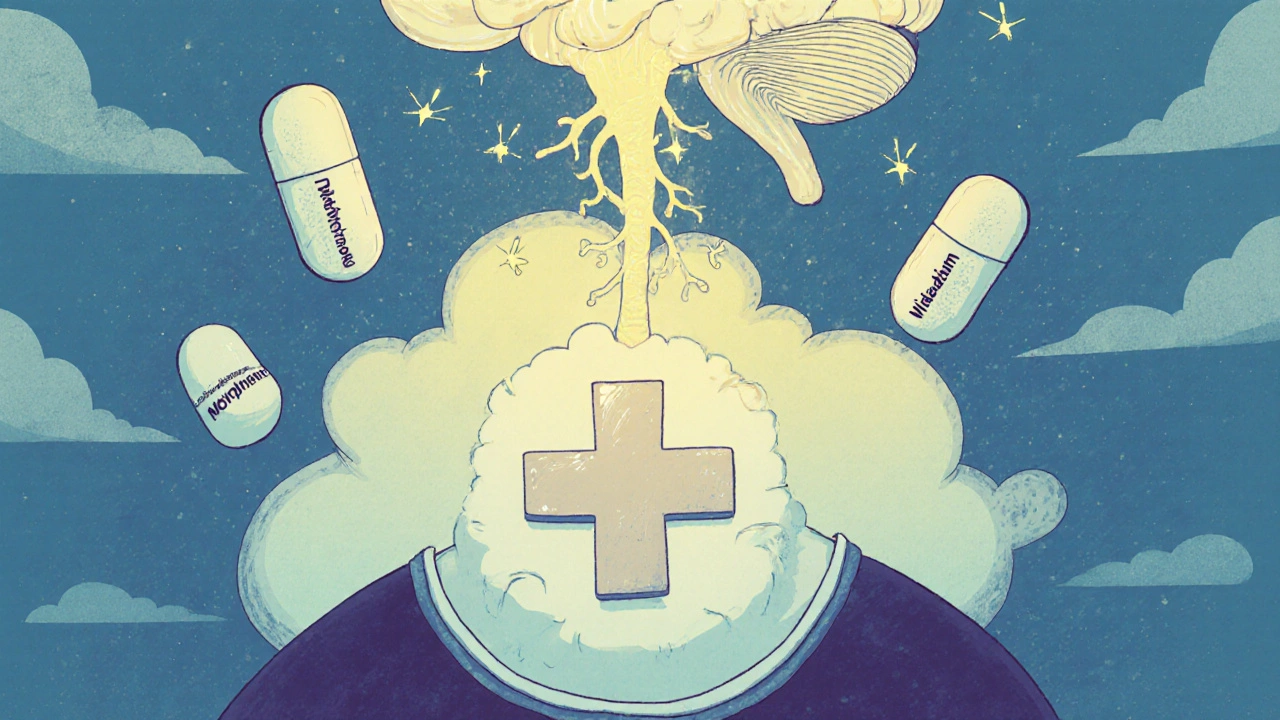
Hiccups Triggered by Medications: Common Causes and Proven Remedies
Medication-induced hiccups are more common than you think, especially with steroids, opioids, and chemo drugs. Learn the top triggers, proven home remedies, and effective treatments like baclofen and chlorpromazine.
read more