
Antibiotic Cream Alternatives: Natural and Effective Options
When you get a small cut, scrape, or burn, antibiotic cream, a topical treatment used to prevent or treat minor bacterial skin infections. Also known as topical antibiotics, it's often the first thing people reach for—but it’s not always necessary, and sometimes not the best choice. Many over-the-counter antibiotic creams contain ingredients like neomycin or bacitracin, which can cause allergic reactions, contribute to antibiotic resistance, or simply do nothing for non-bacterial irritation. The good news? You don’t always need them.
For minor wounds, your skin has its own defense system. Clean water and gentle soap are often enough to prevent infection. If you need something extra, honey, a natural substance with proven antimicrobial and wound-healing properties—especially medical-grade Manuka honey—has been shown in clinical studies to work as well as or better than some antibiotic creams for minor burns and ulcers. Coconut oil, a plant-based fat with lauric acid, a compound that fights bacteria is another simple, accessible option. It’s not a replacement for serious infections, but for everyday scrapes, it reduces dryness, soothes irritation, and helps keep germs at bay.
Other alternatives include tea tree oil, a plant-derived essential oil with strong antibacterial and anti-inflammatory effects (always diluted with a carrier oil), and zinc oxide, a mineral compound commonly found in diaper rash creams that creates a protective barrier and supports healing. These aren’t just home remedies—they’re backed by real research and used in clinical settings when antibiotics aren’t needed or aren’t safe.
Why does this matter? Overusing antibiotic creams leads to resistant bacteria, making future infections harder to treat. The CDC warns that up to 30% of outpatient antibiotic prescriptions are unnecessary. If your wound is red, swollen, oozing pus, or getting worse after a couple of days, see a doctor. But for most minor skin injuries, you can skip the prescription-style cream and use something simpler, safer, and just as effective.
What you’ll find below are real, practical comparisons and guides based on actual patient experiences and medical data. From how to use honey on a burn to why some natural oils work better than Neosporin, these posts cut through the noise. You’ll also see when to avoid certain alternatives, what combinations to steer clear of, and how to tell if your skin is healing—or if it’s time to get professional help. No fluff. No marketing. Just what works, what doesn’t, and why.
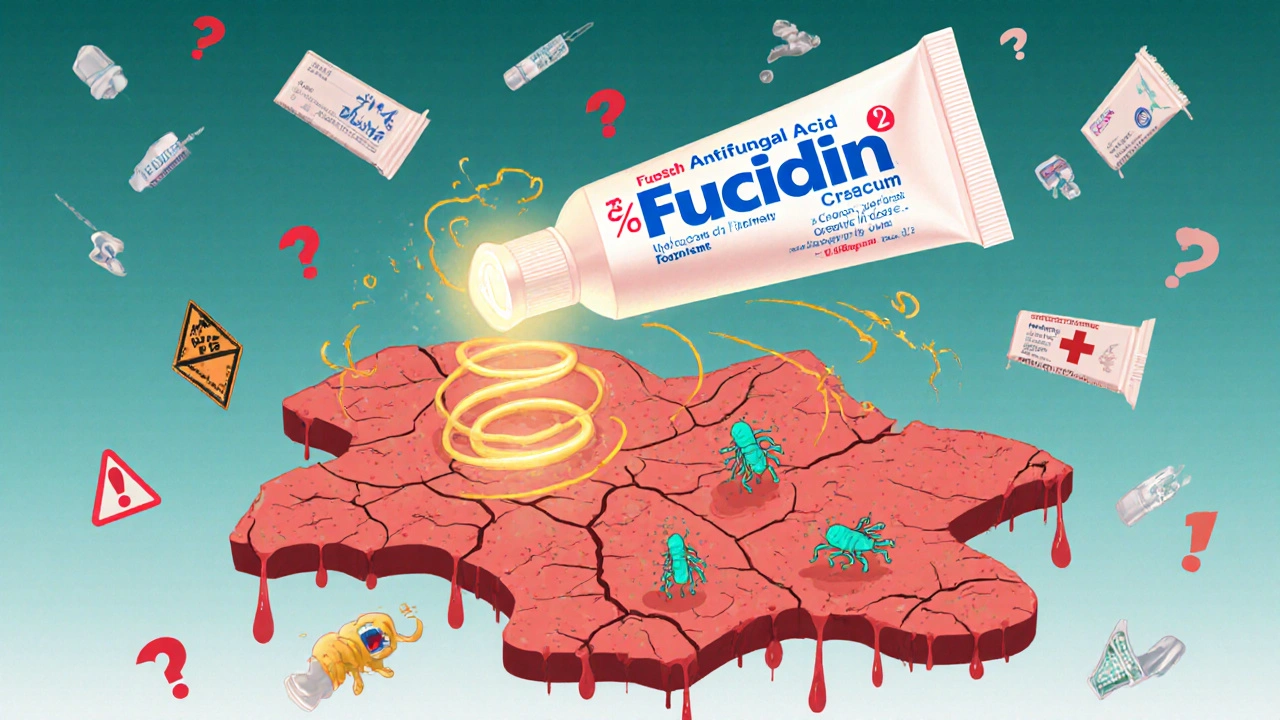
Fucidin Cream vs Alternatives: What Works Best for Skin Infections
Fucidin Cream with fusidic acid treats common skin infections, but alternatives like mupirocin, retapamulin, and antiseptics may work better depending on your case. Learn which option suits your infection.
read more