
ADHD Medications: What Works, What Doesn’t, and How to Stay Safe
When you’re struggling to focus, stay organized, or control impulsive reactions, ADHD medications, prescription drugs designed to improve attention and reduce hyperactivity in people with attention deficit hyperactivity disorder. Also known as stimulants and non-stimulants for ADHD, they can be life-changing—but only if used right. Not every pill works for every person. What helps one person focus might make another feel jittery, anxious, or even sick. And that’s just the start.
There are two main types of ADHD medications, drugs prescribed to manage symptoms of attention deficit hyperactivity disorder. Also known as stimulant and non-stimulant treatments, they work in very different ways. Stimulants like methylphenidate and amphetamines boost dopamine and norepinephrine quickly, often giving results within an hour. Non-stimulants like atomoxetine or guanfacine take weeks to build up in your system but may cause fewer side effects like appetite loss or sleep trouble. Then there are off-label options—antidepressants, blood pressure meds like clonidine—that doctors sometimes use when first-line drugs fail. But mixing them without knowing the risks? That’s where things get dangerous. For example, taking clonidine, a blood pressure medication sometimes prescribed off-label for ADHD-related impulsivity and sleep issues. Also known as alpha-2 agonist, it with certain other drugs can cause dangerous drops in blood pressure or rebound spikes when you stop. And if you’re on medication for bipolar disorder like valproic acid or lurasidone, combining it with ADHD stimulants can trigger mood swings or even psychosis.
Timing matters too. Just like levothyroxine and coffee, ADHD meds can be ruined by what you eat or drink. Taking methylphenidate with a high-fat meal? It might not absorb properly. Crushing a long-acting pill to save money? You could overdose. And if you’re taking multiple meds—say, for anxiety, depression, or sleep—there’s a good chance they’re interacting in ways your doctor hasn’t caught. That’s why the posts below aren’t just about which drugs exist. They’re about real-world problems: how to spot dangerous interactions, why some people don’t respond to stimulants, what to do when side effects hit, and how to tell if your current treatment is actually working—or just making things worse.
Below, you’ll find clear, no-fluff guides on what actually works for ADHD, what doesn’t, and how to avoid common mistakes that cost people time, money, and health. Whether you’re newly diagnosed, tired of your current meds, or just trying to understand why your child’s prescription isn’t helping, these posts give you the facts—not marketing.
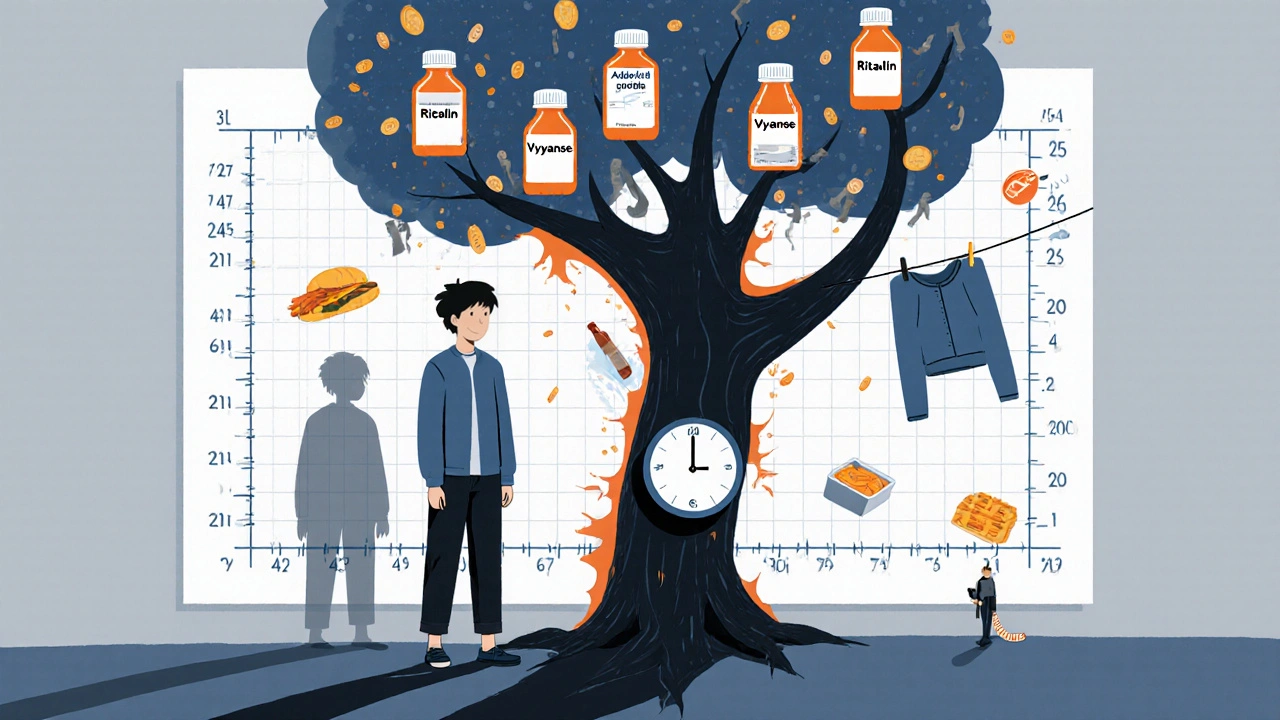
ADHD Medications in Teens: Tracking Growth, Appetite, and Side Effects
ADHD medications help teens focus but can affect growth and appetite. Learn how to monitor side effects, manage nutrition, and make informed treatment decisions with evidence-based strategies.
read more