
Medication Side Effect Risk Checker
Select a medication category to see your risk level
Based on your medication choices, consider these evidence-based approaches:
- Ask your doctor about switching to lower-risk alternatives
- Consider timing adjustments (e.g., taking SSRIs after sexual activity)
- Discuss potential add-on therapies like sildenafil
- Regular exercise to boost natural testosterone and blood flow
Many people don’t realize that the pills they take every day for depression, high blood pressure, or prostate issues can quietly affect their sex life. It’s not just about feeling tired or dry-mouthed-these medications can shut down desire, make it hard to get or keep an erection, delay or block orgasm, or even numb sensation. And when this happens, most patients don’t bring it up. They assume it’s just aging, stress, or something they have to live with. But it’s often the medicine.
Why This Happens: The Chemistry Behind the Silence
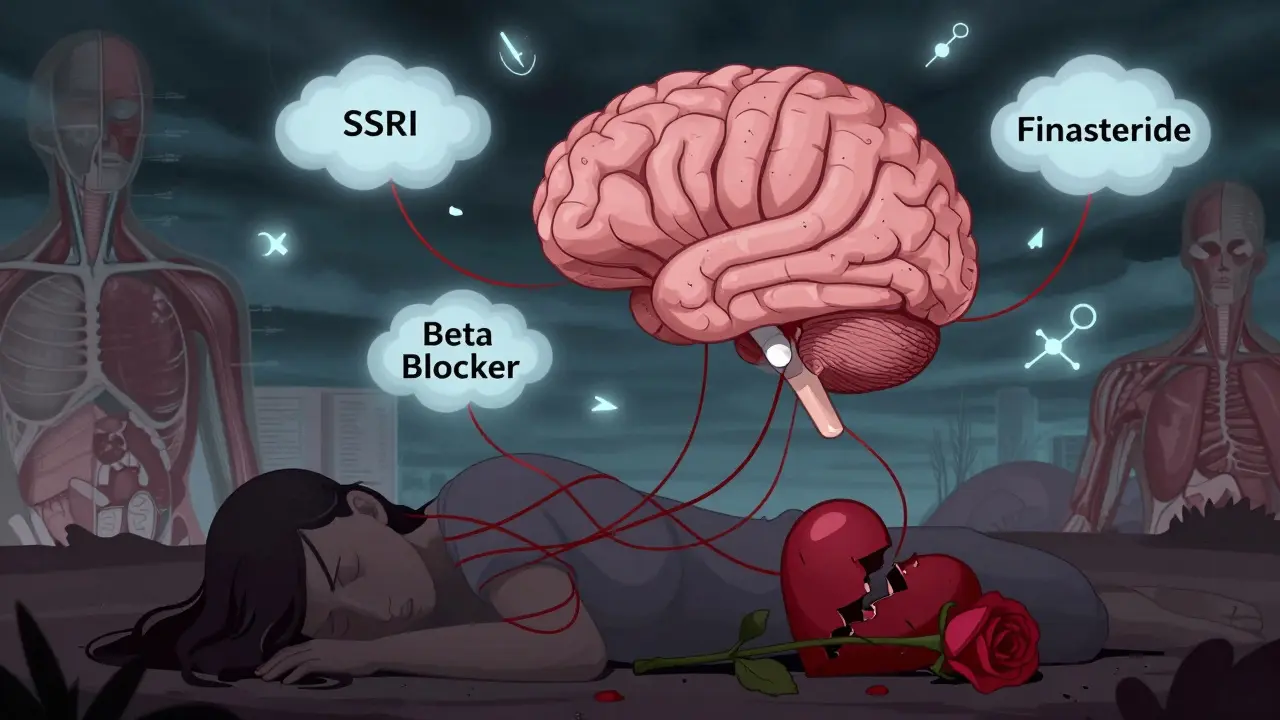
Sexual function relies on a delicate balance of hormones, nerves, and blood flow. When a drug interferes with serotonin, dopamine, testosterone, or nitric oxide, it doesn’t just affect your mood or blood pressure-it can hit your sex life too. The most common offenders aren’t obscure drugs; they’re the ones prescribed daily: antidepressants, blood pressure pills, and prostate treatments.
Take SSRIs, the go-to antidepressants like fluoxetine (Prozac), sertraline (Zoloft), and paroxetine (Paxil). These drugs boost serotonin to lift mood, but serotonin also puts the brakes on sexual response. Studies show 25-73% of people on SSRIs experience sexual side effects. Paroxetine carries the highest risk-up to 65% of users report problems. That’s more than two out of three. And it’s not just men. Women report reduced arousal, less pleasure, and difficulty reaching orgasm at similar rates.
Antidepressants: The Most Common Culprits
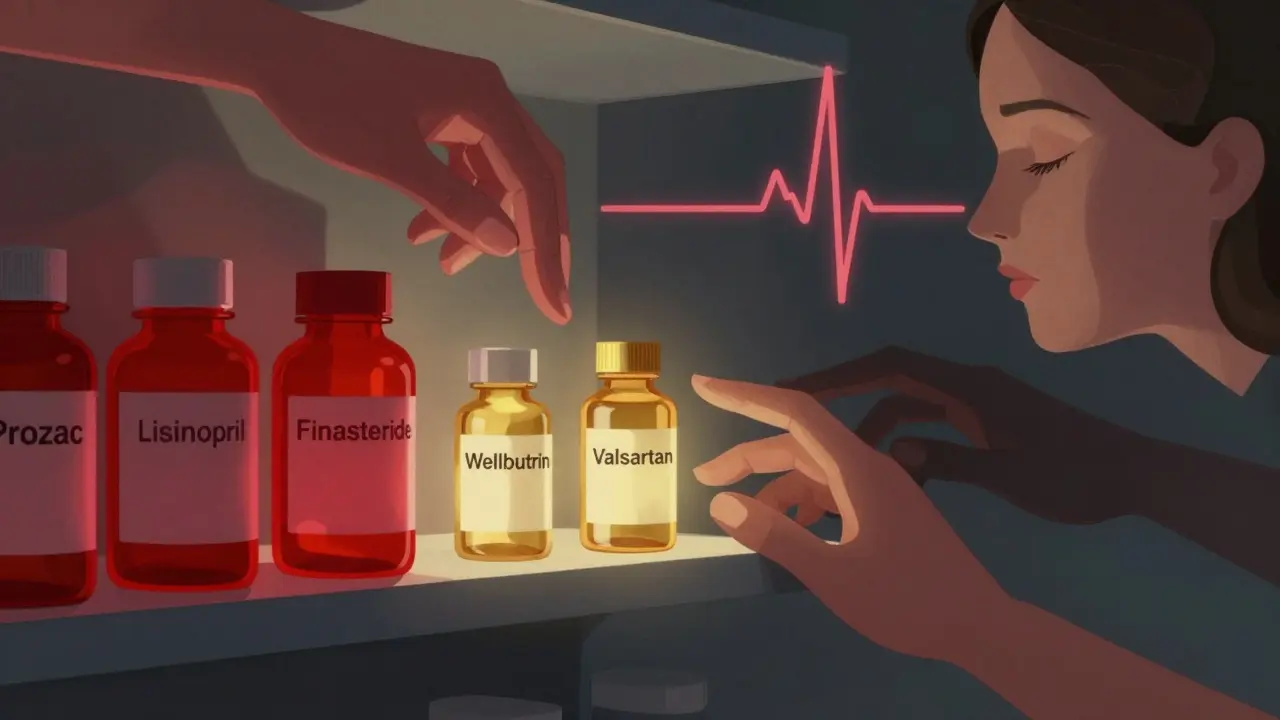
Not all antidepressants are created equal when it comes to sex. If you’re struggling with low libido or delayed orgasm, switching meds might help. Bupropion (Wellbutrin) and mirtazapine (Remeron) are two that rarely cause sexual side effects. In fact, some people report improved desire on bupropion. That’s why doctors often consider them first for patients with a history of sexual dysfunction or those who’ve had bad reactions to SSRIs.
Tricyclic antidepressants like imipramine cause problems in about 30% of users, but clomipramine? Nearly 93% of patients in one study reported total or partial inability to orgasm. That’s not a side effect-it’s a dealbreaker for many. And while MAOIs are less commonly used now, they still carry a high risk. The takeaway? If sexual health matters to you, ask your doctor about alternatives. Don’t just accept what’s written on the label.
Heart and Blood Pressure Medications: More Than Just Fatigue
High blood pressure itself can cause erectile dysfunction. But the meds used to treat it? They make it worse. Thiazide diuretics like hydrochlorothiazide (Microzide) are the biggest problem. They lower potassium and reduce blood flow to the genitals, making erections harder to achieve. Beta blockers like atenolol and metoprolol are next on the list-they cut heart rate and blood pressure so hard that sexual response gets choked off.
Here’s something surprising: not all blood pressure meds hurt your sex life. Angiotensin II receptor blockers (ARBs) like valsartan actually improved sexual desire and fantasies in women compared to beta blockers. That’s a big deal. If you’re on a beta blocker and your sex life has tanked, talk to your doctor about switching to an ARB. It’s not a miracle cure, but it’s a better option.
For women, the numbers are just as striking. One study found 41% of women on antihypertensives reported decreased desire, and 34% said sexual pleasure dropped. Alpha-blockers like clonidine and prazosin are especially bad for libido. If you’re a woman on these meds and feel emotionally disconnected from sex, it might not be in your head-it’s in the chemistry.
Prostate and Hormone Drugs: When Treatment Costs More Than You Expected
5-alpha reductase inhibitors like finasteride (Proscar) and dutasteride (Avodart) are prescribed for enlarged prostates and hair loss. They work by blocking DHT, a hormone linked to prostate growth and male pattern baldness. But DHT also plays a role in sexual desire and function. About 6-16% of men on these drugs report low libido, 5-9% get erectile dysfunction, and up to 21% experience problems with ejaculation. These side effects can last even after stopping the drug-something called Post-Finasteride Syndrome.
For men with prostate cancer, antiandrogens like bicalutamide are life-saving. But they drop testosterone to near-zero levels. The result? Almost universal loss of libido, erectile dysfunction, and sometimes breast growth (gynecomastia). It’s brutal. But here’s the key: if you know it’s coming, you can prepare. Counseling before treatment starts helps men adjust emotionally and reduces long-term distress.
Other Surprising Offenders: Gabapentin, Opioids, and Acid Reflux Pills
Gabapentin and pregabalin, used for nerve pain and seizures, can cause erectile dysfunction and low libido. How? They raise a hormone called SHBG, which locks up testosterone so your body can’t use it. Opioids like oxycodone and morphine do something similar-they mess with the brain’s signals to the testes, leading to low testosterone and erectile problems. It’s called secondary hypogonadism, and it’s reversible, but only if caught early.
Even acid reflux meds like omeprazole (Prilosec) and ranitidine (Zantac) have been linked to sexual side effects. The science isn’t solid yet, but enough patients report low desire and erectile issues that doctors are starting to take notice. It might be a side effect of reduced nutrient absorption or hormonal disruption. Either way, if you’ve been on PPIs for years and your sex life changed, it’s worth discussing.
What You Can Do: Practical Steps to Take
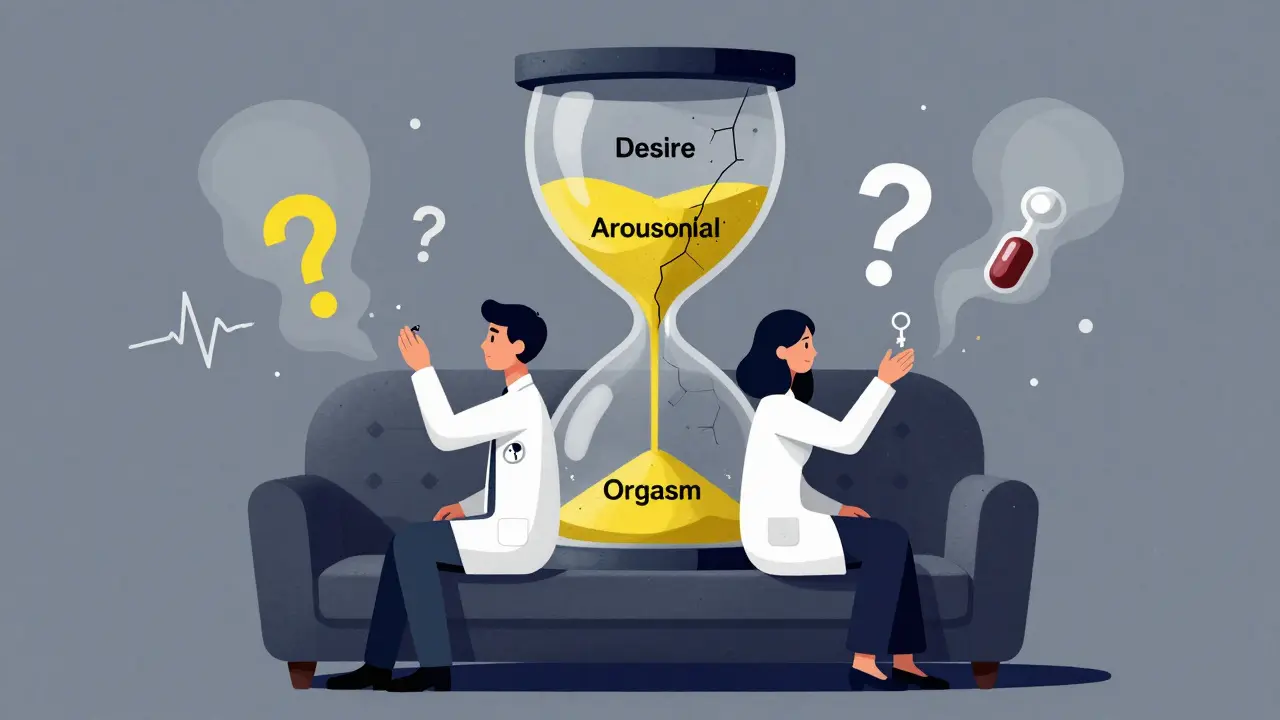
Don’t just stop your meds. That’s dangerous. Instead, talk to your doctor. Here’s what actually works:
- Switch meds: Moving from paroxetine to bupropion, or from a beta blocker to an ARB, often helps. Many patients see improvement within weeks.
- Adjust timing: Taking SSRIs after sex instead of before can reduce interference with arousal and orgasm.
- Try a low-dose add-on: Adding sildenafil (Viagra) or tadalafil (Cialis) to an SSRI can restore erectile function in 74-95% of cases. It’s not a cure for low desire, but it helps with physical response.
- Exercise regularly: Physical activity boosts blood flow, lifts mood, and naturally increases testosterone. Just 30 minutes of brisk walking five times a week can make a measurable difference.
- Ask about drug holidays: For some patients, taking a short break from antidepressants (under medical supervision) can reset sexual function without triggering withdrawal.
When to Worry: Red Flags You Can’t Ignore
Most sexual side effects are annoying, not dangerous. But some need immediate attention:
- Painful or prolonged erection (priapism)-this is a medical emergency. If it lasts more than 4 hours, go to the ER.
- Sudden loss of sensation in the genitals or nipples.
- Severe mood changes or suicidal thoughts after starting a new med.
- Sexual side effects that don’t improve after 6-8 weeks on a new drug.
If any of these happen, call your doctor. Don’t wait. These aren’t normal side effects-they’re warning signs.
Why This Matters More Than You Think
Sexual health is part of mental and physical well-being. When meds damage your sex life, they don’t just hurt your body-they hurt your relationships, your self-esteem, and your willingness to stick with treatment. Studies show sexual side effects are one of the top reasons people stop taking antidepressants or blood pressure pills. That’s not just personal-it’s public health.
Doctors are getting better at asking about this. The American Urological Association now recommends routine screening for medication-induced sexual dysfunction, especially for people on long-term antidepressants, antihypertensives, or prostate meds. But you can’t wait for them to ask. If you’re on any of these drugs and your sex life has changed, speak up. You’re not alone. And you don’t have to live with it.
Can antidepressants cause permanent sexual side effects?
In most cases, sexual side effects from antidepressants go away after stopping the drug. But a small percentage of people report ongoing issues-even after discontinuing SSRIs. This is sometimes called Post-SSRI Sexual Dysfunction (PSSD). While rare, it’s real. If symptoms persist for more than a few months after stopping, see a specialist. There’s no proven cure yet, but some patients improve with time, hormone therapy, or switching to non-SSRI antidepressants like bupropion.
Do all blood pressure medications cause erectile dysfunction?
No. Thiazide diuretics and beta blockers are the biggest offenders, but ARBs like valsartan and ACE inhibitors like lisinopril are much less likely to cause problems. In fact, some studies show ARBs may even improve sexual desire in women. If you’re having trouble, ask your doctor if you can switch to one of these alternatives. It’s not a guess-it’s a common, evidence-based move.
Can I take Viagra with my antidepressant?
Yes, and it often works well. Studies show sildenafil (Viagra) and tadalafil (Cialis) are effective in 74-95% of men with SSRI-induced erectile dysfunction. But you still need a doctor’s approval. Some combinations can lower blood pressure too much, especially if you’re also on heart meds. Never combine these drugs without medical supervision.
Why don’t doctors talk about this more?
Many doctors assume patients won’t bring it up, so they don’t either. There’s also a stigma around sexual health, and time constraints in appointments. But awareness is growing. Guidelines now recommend screening for sexual side effects, especially for patients on long-term meds. If your doctor doesn’t ask, bring it up. You’re not being awkward-you’re being smart.
Is there a medication that doesn’t affect sex?
Yes. For depression, bupropion (Wellbutrin) and mirtazapine (Remeron) have very low rates of sexual side effects. For blood pressure, ARBs like valsartan and ACE inhibitors like enalapril are better choices. For prostate issues, alpha-blockers like tamsulosin cause less sexual dysfunction than 5-alpha reductase inhibitors. The key is to work with your doctor to find the right balance between treating your condition and protecting your sexual health.
Comments (9)
jared baker
Yeah, this is so real. I was on Zoloft for years and didn’t say anything because I thought it was just me. Turned out my libido was basically on vacation. Switched to Wellbutrin and boom - I felt like a human again. No magic pill, but a damn good alternative.
Also, if you’re on blood pressure meds and struggling, ask about ARBs. My doc laughed at first, then checked the studies. We switched me to valsartan. Sex life? Back. Blood pressure? Still good. Win-win.
trudale hampton
Same. I didn’t realize how much SSRIs were numbing me until I stopped. Not just physically - emotionally too. It’s like the meds fixed my anxiety but turned off my joy. Bupropion was a game-changer. No more ‘I’m fine’ lies to my partner. Real connection returned.
And yeah, exercise helps. Not because it’s ‘good for you’ - because it makes you feel alive again. Even just walking outside with music on. Small stuff, big difference.
Nishan Basnet
As someone from India where mental health is still whispered about, I’m glad this got laid out so clearly. We don’t talk about sex here - not even with doctors. But this? This is the kind of info that saves relationships. My uncle was on proscar for years, never told anyone. Lost his sex drive, then his marriage. He didn’t know it was the drug. Now he’s on tamsulosin. Life’s different. Talk to your doc. Seriously.
Bryan Woody
Doctors don’t bring this up because they’re too busy selling you the next prescription. They get paid to keep you on meds, not to ask if you can still enjoy sex. It’s a business model. You think they care about your libido? Nah. They care about adherence rates.
But here’s the kicker - if you ask about alternatives, they’ll often switch you. Because they don’t want you dropping out. So speak up. It’s not rude - it’s strategic.
Also, Viagra with SSRIs? Works like a charm. Just don’t drink grapefruit juice. Or your dick will hate you.
Nicole James
Wait… so you’re telling me Big Pharma knew this all along? That they’ve been quietly sabotaging our sex lives to keep us dependent? That’s not a side effect - it’s a feature. Think about it. If you’re numb, you’re not having passionate sex. You’re not creating new humans. You’re just… compliant. And compliant people buy more meds. They don’t want you horny. They want you docile. This isn’t medicine - it’s social control. And they’re hiding it behind ‘clinical trials’ and ‘pharmacological profiles.’
Who’s funding these studies? Who owns the patents? Who profits when you can’t orgasm? You tell me.
David Robinson
Look, I get it. You’re scared to bring it up. But here’s the truth - if you’re on an SSRI and your partner’s noticed you’ve turned into a zombie, they’re not imagining it. It’s not your fault. It’s not aging. It’s the damn drug. And if your doctor says ‘it’s normal,’ they’re lying. Or they’re lazy. Either way, you’re not getting the care you deserve.
Switching meds isn’t a failure. It’s smart. Trying sildenafil isn’t cheating - it’s problem-solving. And if you’re on a beta blocker and your erection’s gone? Ask for an ARB. It’s not a radical idea. It’s science. Stop accepting suffering as part of treatment. You’re not a lab rat.
Paul Cuccurullo
I want to believe this is all just about health - but I’ve seen too many patients quietly suffer. I’m a therapist. I’ve had men cry in my office because they couldn’t feel their wife anymore. Women who said they stopped initiating sex because they didn’t want to be disappointed.
It’s not just about the chemistry. It’s about the silence. We’re taught to be stoic. To endure. To ‘push through.’ But your sex life isn’t something you should push through. It’s part of your humanity.
So if you’re reading this and you’re struggling - you’re not broken. The system is. And the first step to fixing it? Talking. Out loud. To someone who listens.
I’m here. And so are others.
Allison Priole
OMG I’m not alone?? I’ve been on prilosec for 8 years for reflux and my libido dropped so hard I thought I was depressed. I didn’t connect it until I read this. I’ve been on bupropion for anxiety now and it’s like my body remembered how to feel things. My husband said I ‘smiled more’ and I didn’t even realize I’d stopped.
Also, I tried taking my SSRI after sex instead of before. It worked?? Like, actually worked?? I’m not a doctor but I’m telling you - this stuff matters. Talk to your doc. Even if they roll their eyes. You deserve to feel good.
Timothy Olcott
Just stop taking the damn pills. 💪🔥