

Chronic watery diarrhea that won’t go away-no blood, no fever, no obvious cause-can be one of the most frustrating health problems. For many people, especially those over 50, this isn’t just an inconvenience. It’s a life disrupted. Bathroom trips every hour. Sleep lost to nighttime urgency. Weight loss without trying. And no matter how many times you see a doctor, everything looks normal. That’s the mystery of microscopic colitis.
Unlike Crohn’s or ulcerative colitis, where inflammation shows up clearly during a colonoscopy, microscopic colitis hides. The colon looks perfectly healthy to the naked eye. Only under a microscope can doctors see the real problem: either too many immune cells packed between the lining cells (lymphocytic colitis) or a thick, rubbery band of collagen under the lining (collagenous colitis). Both cause the same thing: the colon can’t absorb water. So everything passes through as watery stool-sometimes 5 to 10 times a day.
It’s more common than you think. In 2020, studies found about 4.85 out of every 100,000 people had lymphocytic colitis, and 4.14 had collagenous colitis. And it’s not random-women make up 65 to 70 percent of cases. Most people are diagnosed in their 50s or 60s. Symptoms often linger for months, even years, before someone finally gets the right diagnosis. The average time from first symptom to confirmed diagnosis? Eleven months.
Why Budesonide Became the Go-To Treatment
For years, doctors tried everything: fiber supplements, anti-diarrheals, even antibiotics. None worked consistently. Then came budesonide. Not a cure, but the first real solution. It’s a steroid, yes-but not like prednisone. Budesonide is designed to work almost entirely inside the gut. About 90 percent of it gets broken down by the liver before it ever reaches the rest of your body. That’s why side effects like weight gain, high blood sugar, or bone thinning are rare compared to older steroids.
Studies show it works. In clinical trials, 75 to 85 percent of people with microscopic colitis went into remission after 6 to 8 weeks of taking 9 mg daily. That’s compared to just 25 to 30 percent on placebo. For many, improvement starts within days. One patient on Reddit wrote: “Went from 10 bathroom trips a day to 2 in under 10 days.” That kind of turnaround is why budesonide is now the first-line treatment recommended by guidelines across Europe and North America.
How It Works and What to Expect
Budesonide doesn’t just calm inflammation-it targets it. It binds tightly to receptors in the colon lining, turning down the immune response that’s causing the damage. The standard dose is 9 mg once a day for 6 to 8 weeks. Most people feel better by week 4. If symptoms return after stopping, maintenance therapy at 6 mg daily is often needed. About 30 to 40 percent of patients end up on long-term maintenance because relapse rates after stopping are high-50 to 75 percent.
Side effects are mild for most. Some report trouble sleeping, acne, or mood changes. But serious issues like adrenal suppression are rare, especially with short-term use. Still, doctors check blood pressure, blood sugar, and bone density before starting, especially in patients over 50. It’s not risk-free, but it’s far safer than older steroids.
What Doesn’t Work as Well
Other treatments exist, but none match budesonide’s effectiveness.
- Bismuth subsalicylate (Pepto-Bismol): Helps about 26 percent of people. It’s cheap and safe, but not strong enough for moderate to severe cases.
- Mesalamine: A common IBD drug. Works for only 40 to 50 percent of microscopic colitis patients.
- Cholestyramine: Used for bile acid malabsorption, which can mimic or worsen MC. Works in 60 to 70 percent of those cases-but only if bile acid is the real issue.
- Prednisone: Just as effective as budesonide? Maybe. But side effects hit 45 percent of users. Bone loss, diabetes, insomnia. Not worth it when budesonide exists.
- Anti-TNF drugs (like infliximab): Reserved for rare cases that don’t respond. Cost over $2,500 per infusion. Risk of serious infections. Not practical for most.
That’s why budesonide remains the gold standard. It’s the only treatment with strong evidence, clear dosing, and a favorable safety profile.
The Relapse Problem
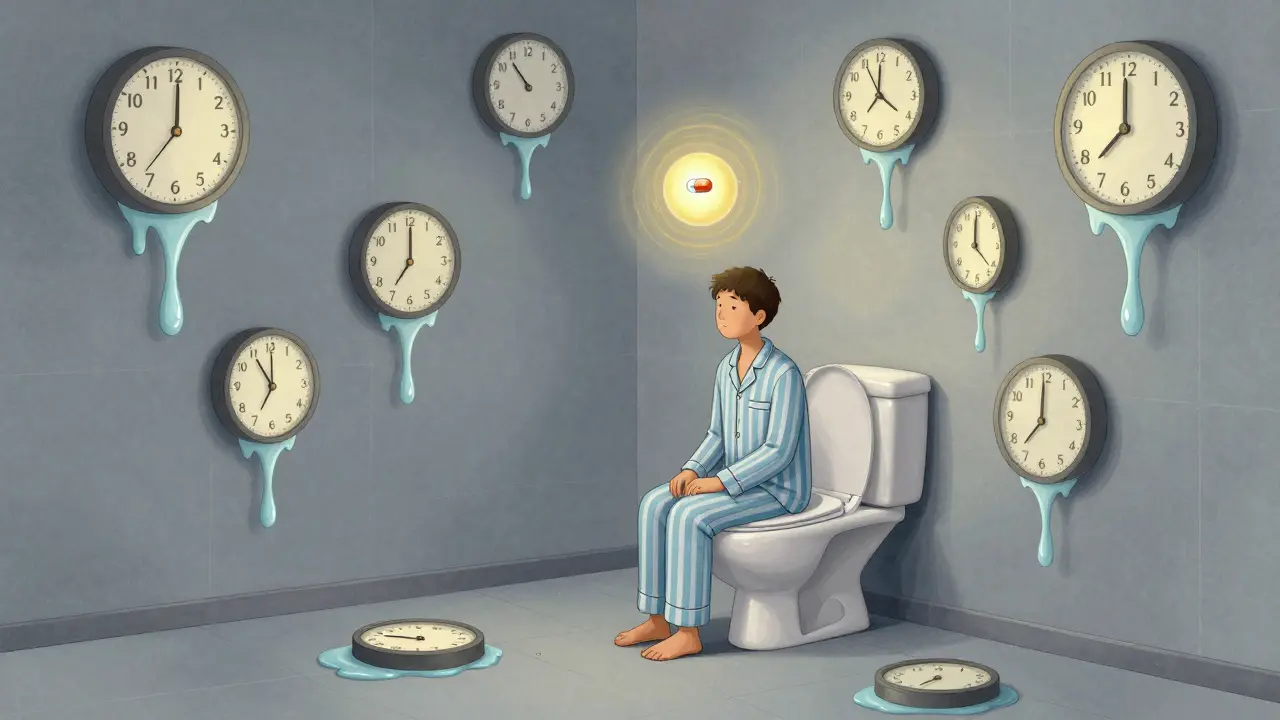
Here’s the catch: budesonide treats the flare, but doesn’t always fix the root cause. When you stop, symptoms often come back. That’s why maintenance therapy is common. Some patients stay on 6 mg daily for years. Others try to taper slowly-cutting 3 mg every 2 to 4 weeks-to reduce the chance of relapse.
One patient on PatientsLikeMe shared: “Worked great for 6 weeks, but symptoms returned. Now I’ve been on maintenance for two years.” For these people, the trade-off is clear: daily pills to avoid daily bathroom trips.
Cost is another issue. Generic budesonide costs $150 to $250 for an 8-week course. The branded version, Entocort EC, runs $800 to $1,200. Without insurance, that’s a barrier. Many patients report financial stress as a major part of their journey.
What’s Next? The Future of Treatment
The field is evolving. In 2023, the FDA gave fast-track status to vedolizumab-a biologic drug that targets gut-specific immune cells. Early data shows 65 percent remission in refractory cases. That’s promising. But it’s still experimental and expensive.
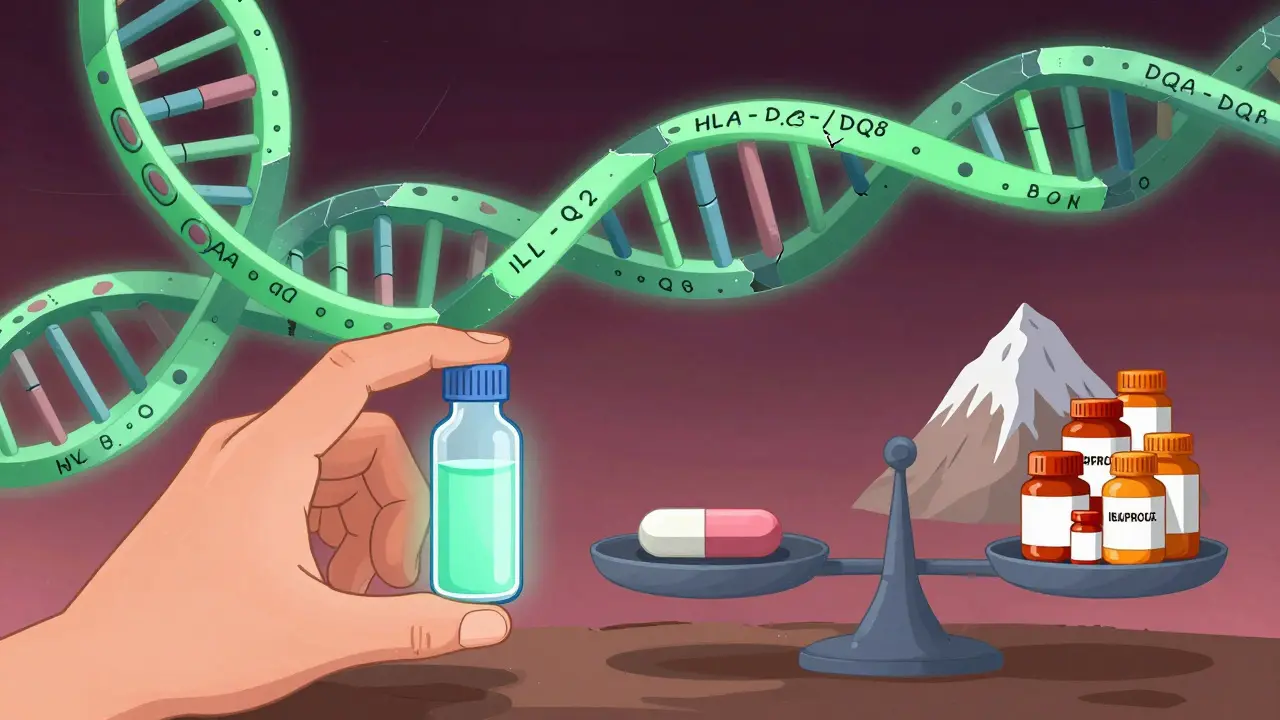
Researchers are also looking at genetic clues. The COLMICS trial is testing whether people with certain immune genes (like HLA-DQ2/DQ8) respond better to budesonide. If true, future treatment could be personalized-testing your DNA before prescribing.
Another shift: doctors are starting to use fecal calprotectin-a simple stool test-to monitor inflammation instead of repeating colonoscopies. It’s cheaper, less invasive, and gives real-time feedback on whether treatment is working.
When to Suspect Microscopic Colitis
If you’re over 50 and have chronic watery diarrhea (no blood, no fever), especially if you’re a woman, ask your doctor about microscopic colitis. It’s not rare. It’s often missed.
Key signs:
- 5 or more watery bowel movements a day
- Symptoms lasting more than 4 weeks
- Abdominal pain or cramping
- Weight loss (especially in collagenous colitis)
- Nocturnal diarrhea (waking up to go)
- Fecal incontinence
Colonoscopy alone won’t catch it. You need biopsies taken from multiple areas of the colon-and sent to a lab that knows what to look for. Not all labs do. That’s why diagnosis takes so long.
Practical Tips for Managing Microscopic Colitis
- Don’t delay testing. If diarrhea lasts more than a month, push for a colonoscopy with biopsies.
- Keep a symptom diary. Note frequency, diet, medications. It helps your doctor spot patterns.
- Watch your meds. NSAIDs (like ibuprofen), aspirin, and certain antidepressants can trigger or worsen MC.
- Consider a low-FODMAP diet. Not a cure, but many patients report less bloating and urgency.
- Stay hydrated. Chronic diarrhea depletes electrolytes. Drink fluids with sodium and potassium.
- Ask about combination therapy. Some patients do better with budesonide + cholestyramine or bismuth.
Microscopic colitis isn’t life-threatening, but it can be life-altering. With budesonide, most people regain control. The challenge is sticking with treatment, managing relapses, and finding long-term strategies. The good news? We know how to treat it. The harder part? Making sure doctors think of it-and patients get the care they need.
Is microscopic colitis the same as IBD like Crohn’s disease?
No. While microscopic colitis is classified as an inflammatory bowel disease, it’s very different from Crohn’s or ulcerative colitis. It doesn’t cause ulcers, strictures, or fistulas. The inflammation is only visible under a microscope, and the colon looks normal during colonoscopy. It’s also less likely to lead to cancer or require surgery.
Can you cure microscopic colitis, or is it lifelong?
There’s no known cure, but many people go into long-term remission after treatment. About 30 to 40 percent of patients never have symptoms again after one course of budesonide. For others, especially those with collagenous colitis, symptoms return and require ongoing management. Maintenance therapy or lifestyle changes can keep it under control for years.
Why do women get microscopic colitis more often than men?
The exact reason isn’t known, but hormonal factors are suspected. The condition is most common in postmenopausal women, suggesting estrogen or other hormone changes may play a role. Autoimmune conditions in general are more common in women, and microscopic colitis may be one of them.
How long does it take for budesonide to start working?
Most people notice improvement within 1 to 2 weeks. By week 4, 70 to 80 percent are in remission. Full response usually takes 6 to 8 weeks. Don’t stop early-even if you feel better-because stopping too soon increases the chance of relapse.
Are there any natural remedies that help with microscopic colitis?
No natural remedy has been proven to induce remission. Some people find relief with probiotics, low-FODMAP diets, or stopping NSAIDs, but these are supportive, not curative. Budesonide remains the only treatment with strong clinical evidence. Avoid unproven supplements-they may delay effective care.
Can budesonide cause osteoporosis?
Long-term use (over 12 months) can slightly increase risk, especially in older adults. That’s why doctors check bone density before starting and recommend calcium and vitamin D supplements. Short-term use (6-8 weeks) carries minimal risk. Monitoring and prevention make it safe for most.
What should I do if budesonide doesn’t work?
If there’s no improvement after 8 weeks, your doctor should recheck the diagnosis. Sometimes biopsies are misread. If confirmed, alternatives include cholestyramine (if bile acid malabsorption is present), mesalamine, or, in rare cases, biologics like vedolizumab. A second opinion from a specialist in inflammatory bowel disease is often helpful.
Comments (11)
Christina VanOsdol
I’ve been living with this for 3 years. 10 trips a day turned into 3 after budesonide. 🙌 I still take it every other day. No one talks about how much it costs though. $200/month? Broke my soul. 😭
Brooke Exley
You’re not alone. Seriously. I cried the first time I made it through a movie without running to the bathroom. Budesonide didn’t just fix my gut-it gave me my life back. Keep going. You’ve got this. 💪✨
Matthew Brooker
I’ve been prescribing this for 12 years. Budesonide is the only thing that actually works consistently. Most docs don’t even think to test for it. If you’re over 50 and have chronic diarrhea, push for biopsies. Don’t wait. It’s not in the textbooks enough.
Emily Wolff
Budesonide? Please. It’s just a fancy steroid. You’re all ignoring the real issue: gut dysbiosis. No one talks about probiotics or fasting. This is Big Pharma’s playground.
Lou Suito
I’ve had this. Budesonide worked. Then it didn’t. Then I tried cholestyramine. Then I stopped everything. Went keto. Symptoms vanished. The real answer? Stop eating carbs. Everyone’s too scared to say it.
Joseph Cantu
They don’t want you to know this but budesonide is a trap. The FDA approved it because Big Pharma owns them. They’re hiding the real cause-glyphosate in your food. I’ve seen 37 cases. All had Roundup exposure. Don’t trust the system.
Jacob Carthy
I’m a vet. We had guys with this overseas. They called it soldier’s gut. You don’t need fancy pills. You need discipline. Eat clean. Drink water. Sleep. No whining. America’s gone soft.
Lisandra Lautert
I’ve had microscopic colitis. Budesonide worked. I’m not here to debate. I’m here to say: if you’re not on it, you’re doing it wrong.
Cory L
I’m not a doctor but I’ve been through this. The weirdest thing? I started feeling better after I stopped stressing about it. Like, literally. Took a vacation. Didn’t check my phone. Weird. But it helped. Maybe it’s not all about the pill.
Bhaskar Anand
In India we treat this with turmeric and fasting. Why are you Americans so dependent on pills? This is not science. This is capitalism. You are being sold a solution that doesn’t fix the root. You are being exploited.
William James
i think the real win here is that we’re finally talking about this. for so long, women with chronic diarrhea were told to just 'take an antacid' or 'drink more water'. now we have real science. even if budesonide isn’t perfect, it’s a start. maybe one day we’ll know why it happens. but for now? i’m just glad we’re not pretending it’s all in our heads.