
Quick Safety Takeaways
- Commercial kombucha is regulated to stay below 0.5% ABV, but homebrews can hit 2.5% or more.
- Severe reactions (disulfiram-like) can occur with antibiotics like metronidazole.
- CNS depressants, such as benzodiazepines, can have their effects amplified by trace alcohol.
- Always check labels for "Contains Trace Alcohol" or use QR codes for batch-specific data.
- If you brew at home, use a digital alcoholmeter to ensure safety.
Why Kombucha Contains Alcohol
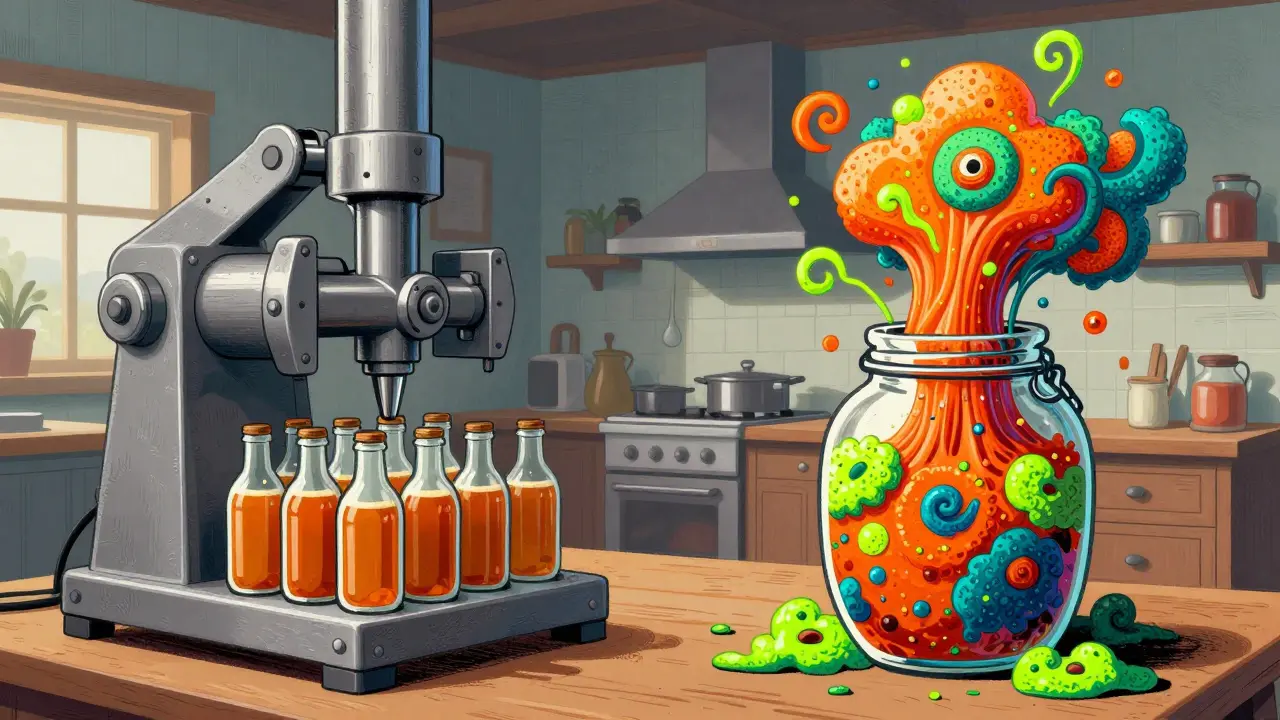
To understand the risk, we have to look at how the drink is made. Kombucha is produced through the symbiotic fermentation of sweetened tea using a SCOBY (Symbiotic Culture of Bacteria and Yeast). The yeast in the culture consumes the sugar in the tea and converts it into ethanol and carbon dioxide. While the bacteria then convert some of that alcohol into organic acids, some ethanol always remains.
The actual alcohol percentage depends on the environment. Yeast loves warmth-specifically between 75-85°F (24-29°C). If the brew stays in the primary fermentation stage for too long (beyond 14 days) or is kept in a very warm spot, the alcohol content climbs. While commercial brands use flash pasteurization or membrane filtration to keep levels low, homebrewers often have no way of knowing exactly what's in their bottle without specialized gear.
Comparing Commercial vs. Homemade Risks
There is a massive gap between the bottle you buy at the store and the one you brew in your kitchen. Commercial brands are under the thumb of the Alcohol and Tobacco Tax and Trade Bureau (TTB), which mandates that non-alcoholic beverages must contain less than 0.5% alcohol by volume (ABV). If they go over, they face heavy fines and forced reformulations.
Homebrewed kombucha is a different story. Without lab testing, the ABV can vary wildly. Some studies show that homebrew batches can reach 2.5% ABV, which is significantly higher than the "trace" amounts found in store-bought versions. In some extreme cases, home-fermented tea has even reached 3.2% ABV-essentially making it a light beer. This inconsistency is where the danger lies for people on medication.
| Source | Typical ABV Range | Consistency | Regulation/Testing |
|---|---|---|---|
| Commercial Brands | < 0.5% | High | TTB Regulated / HPLC Testing |
| Homemade Brews | 0.5% - 2.5% | Low | Self-monitored (Rarely tested) |
| Hard Kombucha | 3.0% - 8.0% | High | Labeled as Alcoholic |
| Kefir/Sauerkraut | 0.1% - 0.8% | Medium | Standardized food values |
Medications That Clash with Kombucha
Not all medications care about a bit of alcohol, but some are incredibly sensitive. When you mix these drugs with even 0.5% ABV, you can experience synergistic effects-where the alcohol makes the drug stronger-or a chemical reaction that makes you feel like you've been poisoned.
One of the most dangerous combinations is with Metronidazole and other similar antibiotics. These drugs can cause a "disulfiram-like reaction," which triggers violent vomiting, severe nausea, and flushing. There are documented cases of patients ending up in the ER after drinking a seemingly "healthy" kombucha while treating a UTI with these meds.
Other high-risk categories include:
- CNS Depressants: Benzodiazepines and certain sleep aids can have their sedative effects amplified, leading to extreme drowsiness or respiratory depression.
- Antidepressants: SSRIs can interact with trace alcohol, potentially increasing dizziness or altering the drug's efficacy.
- Diabetes Medications: Drugs like Metformin or chlorpropamide can lead to unpredictable blood sugar drops (hypoglycemia) when combined with fermented drinks.
- Cardiovascular Drugs: Certain nitrates used for heart conditions can cause a dangerous drop in blood pressure when alcohol is present.
Practical Safety Protocols
If you are on an alcohol-sensitive medication, you don't necessarily have to give up your probiotics, but you do need a plan. The first step is knowing your medication class. Check your prescription insert for "alcohol interaction" warnings. If you see one, a 0.5% beverage is not always "safe."
For those who enjoy commercial brands, look for the newer "Contains Trace Alcohol" labels mandated by the FDA. Some forward-thinking companies now provide QR codes on their bottles that lead to a transparency report showing the exact ABV of that specific batch. This is far more reliable than a generic "non-alcoholic" claim.
If you brew your own, stop guessing. Use a digital alcoholmeter (like the HM Digital HA-520) to test your batches. It takes a few tries to get the hang of it, but it's the only way to know if your brew is at 0.4% or 2.1%. If you're unsure, the safest bet is to maintain a 48-hour window between your last dose of medication and your kombucha consumption.
The Hidden Danger of "Cumulative" Intake
A common mistake is thinking that 0.5% is too low to matter. While a single glass might not cause a reaction, daily consumption adds up. If you drink two glasses of kombucha every day at 0.5% ABV, you're effectively consuming the equivalent of nearly two standard drinks per week. For someone with a severe medication sensitivity, this cumulative load can push the body toward a threshold where a reaction finally triggers.
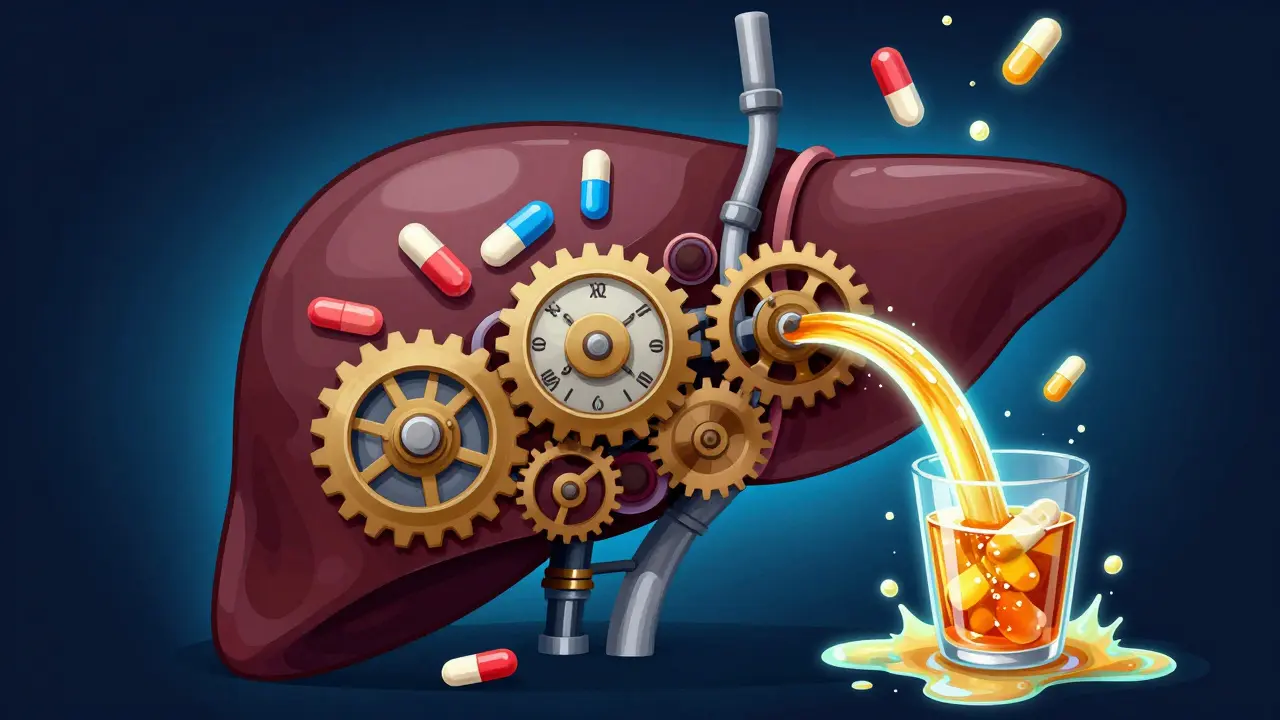
This is especially true for older adults. Many people over 50 take four or more medications daily. Because the liver and kidneys process both alcohol and drugs, a crowded metabolic pathway means the alcohol in your kombucha stays in your system longer, increasing the window of risk for an interaction.
Is store-bought kombucha completely alcohol-free?
No. By law, commercial kombucha is allowed up to 0.5% ABV to be labeled non-alcoholic. While this is a small amount, it is not zero, and it can still interact with highly sensitive medications.
What is a disulfiram-like reaction?
It is a severe reaction that happens when certain drugs (like metronidazole) block the body from breaking down acetaldehyde (a byproduct of alcohol). This leads to a buildup of toxins causing nausea, vomiting, rapid heartbeat, and facial flushing.
Can I drink kombucha while taking antidepressants?
You should consult your doctor first. Many SSRIs can interact with alcohol, and while 0.5% is low, it can still cause increased dizziness or drowsiness in some individuals.
How do I know if my homemade kombucha is too strong?
The only reliable way is to use a calibrated alcoholmeter or a hydrometer. Visual cues like bubbles or smell are not accurate indicators of alcohol percentage.
Are other fermented foods as risky as kombucha?
Generally, no. Sauerkraut and kefir typically have lower and more stable alcohol levels (usually below 0.8%) compared to homemade kombucha, which can spike significantly higher.
Next Steps for Safe Consumption
If you're currently taking medication and love kombucha, start by auditing your pharmacy bag. Look for any drug that mentions "alcohol」 in the warnings. If you find one, don't panic-just switch to commercial brands with transparent ABV labeling for a while.
If you are a homebrewer, treat your fermentation room like a lab. Keep a log of temperatures and dates, and invest in a testing tool. If you notice your batches are consistently hitting 1% or more, consider shortening your fermentation time or lowering the temperature to slow down the yeast.